
Biotechnology in India: Opportunities, Challenges, and Ethical Perspectives
GS-3, Unit-3, Sub Unit-1, HPAS Mains
Biotechnology, the science of using living organisms to create products and solutions, is rapidly reshaping India’s economy, healthcare, and agriculture. From life-saving vaccines to high-yield crops, biotechnology holds the promise of addressing some of the nation’s most pressing challenges. However, its widespread application also raises critical social and ethical questions, making it essential to balance innovation with responsibility and societal welfare.
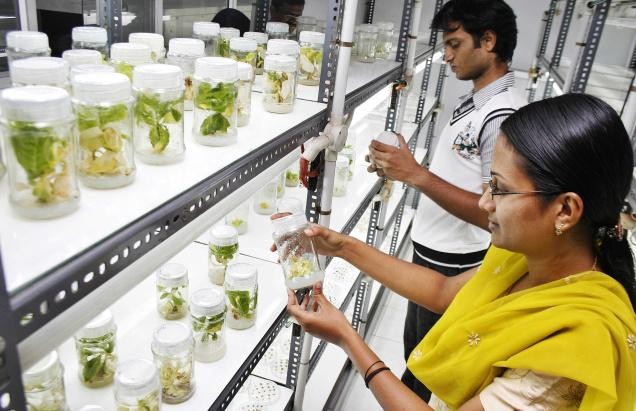
Understanding Biotechnology
- Definition: Biotechnology involves the use of living organisms, cells, and biological systems to develop products and processes for human use.
- Applications in India:
- Healthcare: Production of vaccines, biopharmaceuticals, and diagnostics.
- Agriculture: Genetically modified (GM) crops, biofertilizers, and pest-resistant plants.
- Environment: Bioremediation, waste management, and sustainable energy sources like biofuels.
- Industry: Production of enzymes, bio-based chemicals, and biodegradable materials.
Biotechnology in India: Growth and Potential
- India is among the top biotechnology hubs globally, with a growing biotech sector in cities like Bengaluru, Hyderabad, and Pune.
- Government Initiatives:
- Biotech Vision 2030: Promotes research, innovation, and entrepreneurship in biotechnology.
- DBT (Department of Biotechnology): Supports academic research, start-ups, and regulatory frameworks.
- Economic Impact: Biotechnology contributes significantly to India’s GDP and employment, especially in the pharmaceutical and agricultural sectors.
Social Implications of Biotechnology
- Healthcare Accessibility:
- Biotech innovations like vaccines and gene therapies improve health outcomes but may be cost-prohibitive for rural populations.
- Agricultural Productivity:
- GM crops can increase yield and resist pests, but concerns exist about small farmers’ dependence on multinational seed companies.
- Public Awareness and Education:
- Many rural communities lack awareness about biotech products, creating misinformation and resistance.
- Employment Opportunities:
- Biotechnology generates high-skilled jobs but may widen the skill gap, leaving marginalized populations behind.
Ethical Issues in Biotechnology
- Genetic Modification and GMOs:
- Ethical debates focus on the long-term health and environmental risks of genetically modified crops.
- Concerns about patenting life forms and restricting access to technology for poorer farmers.
- Cloning and Stem Cell Research:
- Stem cell therapy holds promise for treating diseases, but cloning raises moral questions about human life manipulation.
- Data Privacy and Genetic Testing:
- Widespread use of genetic testing in healthcare raises concerns about data misuse and discrimination.
- Biopiracy and Intellectual Property:
- Traditional knowledge, like medicinal plant usage, risks being patented by foreign companies, exploiting local communities.
- Environmental Concerns:
- Release of genetically modified organisms into ecosystems may disrupt biodiversity, requiring strict regulatory oversight.
Regulatory Framework in India
- Biosafety Guidelines: Enforced by the Genetic Engineering Appraisal Committee (GEAC) to regulate GMOs.
- DBT and ICMR Regulations: Ensure safe research practices in medical biotechnology.
- Intellectual Property Rights (IPR): Govern patents on biotech innovations, balancing commercial interests with public access.
- Public Participation: Regulatory processes include stakeholder consultation to address ethical and social concerns.
Balancing Innovation and Responsibility
- Biotechnology in India offers a path toward sustainable development and improved quality of life.
- Ethical use requires:
- Inclusive policies to ensure benefits reach rural and marginalized communities.
- Transparency in research and commercialization.
- Environmental stewardship to prevent unintended ecological consequences.
- Public dialogue, education, and awareness campaigns are essential to align scientific progress with societal values.
Conclusion
Biotechnology is a double-edged sword: it can revolutionize healthcare, agriculture, and industry but also poses significant social and ethical challenges. India’s approach must be balanced, ensuring innovation does not compromise ethical standards, environmental safety, or social equity. By combining regulation, public awareness, and ethical responsibility, India can harness the full potential of biotechnology for national development.