
Civil Societies and Their Role in the Governance of India
GS-2, Unit-2, Sub Unit-2, HPAS Mains
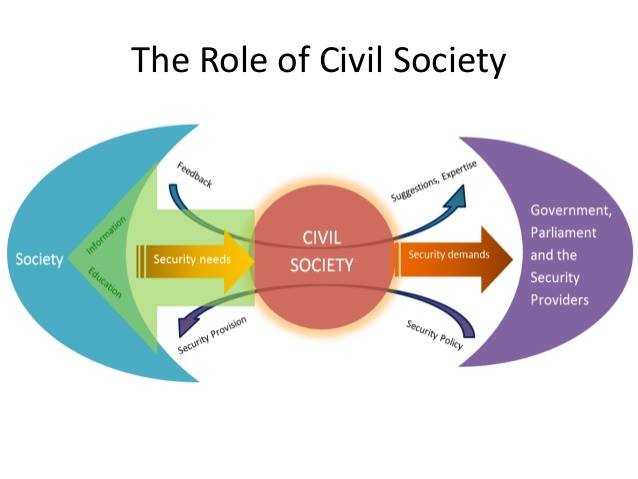
Civil society refers to organizations and associations that operate independently from the state and the market. These include non-governmental organizations (NGOs), community-based organizations, professional associations, trade unions, advocacy groups, and informal social movements. Their core function is to represent citizen interests, mobilize public opinion, and act as a watchdog over government actions. In India, the diversity of civil society reflects the country’s complex social, cultural, and economic composition, making it a potent force for governance reform and social change.
Historical Context of Civil Society in India
The roots of civil society in India trace back to pre-independence movements, where associations like the Indian National Congress, reformist groups, and local self-governing bodies challenged colonial authority while promoting social welfare. Post-independence, civil society evolved to address gaps in governance, advocate for marginalized communities, and participate in developmental initiatives. Today, India’s civil society landscape is among the largest in the world, with thousands of registered NGOs, professional bodies, and social movements operating across various sectors.
Recent Data on Civil Society in India
- Number of NGOs: As of 2023, India boasts over 3.3 million registered NGOs, making it one of the countries with the highest number of such organizations globally.
- Civil Society Participation Index: India’s Civil Society Participation Index stood at 0.606 in 2023, a decline from 0.671 in 2022. This index measures the extent to which major CSOs are consulted by policymakers and the level of citizen involvement in these organizations.
- State of Civil Society Report 2023: The CIVICUS State of Civil Society Report highlights that Indian CSOs continue to face challenges such as restrictive regulations and limited funding, yet they remain resilient in advocating for democratic values and human rights
Laws and Policies Regulating Civil Societies in India
The functioning of civil society organizations in India is governed by multiple laws and regulatory frameworks to ensure accountability and transparency:
- The Societies Registration Act, 1860 – Provides legal recognition to societies formed for charitable, literary, or scientific purposes.
- The Indian Trusts Act, 1882 – Governs private trusts that pursue social, educational, or charitable objectives.
- The Companies Act, 2013 (Section 8 Companies) – Allows NGOs to register as non-profit companies for promoting social welfare, arts, or education.
- Foreign Contribution (Regulation) Act, 2010 (FCRA) – Regulates receipt and utilization of foreign funds by NGOs to maintain transparency.
- Income Tax Act, 1961 (Sections 12A & 80G) – Provides tax exemptions to charitable organizations meeting specified conditions.
- Right to Information Act, 2005 (RTI) – While primarily a citizen tool, it indirectly impacts CSOs by enabling them to access government data for monitoring purposes.
These frameworks aim to regulate civil society while balancing operational freedom and accountability.
Roles of Civil Society in Governance
- Advocacy and Policy Influence – CSOs articulate the concerns of marginalized populations, influencing policies on human rights, environment, and transparency.
- Monitoring and Accountability – Civil society acts as a watchdog, ensuring effective implementation of government programs and curbing corruption.
- Service Delivery and Developmental Interventions – NGOs complement government efforts in education, health, and rural development, ensuring inclusive growth.
- Promoting Civic Engagement and Social Awareness – CSOs organize campaigns, awareness drives, and public forums, encouraging active citizen participation.
- Conflict Resolution and Social Cohesion – By mediating conflicts and promoting communal harmony, civil society contributes to a peaceful and inclusive society.
Challenges Faced by Civil Society in India
Civil society organizations, despite their crucial role, encounter several challenges:
- Bureaucratic Hurdles – Lengthy registration processes and compliance requirements can delay operations.
- Funding Constraints – Limited domestic funding and strict FCRA regulations affect sustainability.
- Political and Legal Pressures – CSOs sometimes face restrictions due to perceived opposition to government policies.
- Operational Fragmentation – A large number of organizations working in isolation may lead to duplication of efforts.
- Capacity and Skill Limitations – Many NGOs lack professional expertise in project management and governance compliance.
- Public Trust Issues – Transparency and accountability concerns within some organizations affect credibility.
Road Ahead for Civil Society in India
- Strengthen Legal Frameworks – Simplify registration and compliance processes to encourage ease of operation for CSOs.
- Diversify Funding Sources – Promote domestic philanthropy, CSR initiatives, and innovative funding models.
- Capacity Building – Enhance organizational skills, professional management, and technical expertise within CSOs.
- Promote Collaboration – Foster partnerships between government, private sector, and civil society for policy design and program implementation.
- Enhance Transparency and Accountability – Implement best practices in governance, reporting, and stakeholder engagement to build public trust.
Conclusion
Civil society is an indispensable pillar of democratic governance in India. By advocating for marginalized communities, promoting transparency, facilitating service delivery, and fostering civic engagement, CSOs ensure that governance remains participatory, accountable, and inclusive. Despite challenges, the growth and resilience of India’s civil society promise a stronger, more equitable democracy in the years ahead.