
Climate Change and Poverty: India’s Twin Development Challenge
GS-1, Unit-2, Sub Unit-1, HPAS Mains
Climate change and poverty have emerged as two of the most pressing challenges confronting India in the 21st century. While each poses serious threats individually, the true complexity of India’s development crisis lies in their intersection. Climate change is no longer an environmental concern alone; it has become a socio-economic disruptor. Its impacts intensify existing inequalities, disproportionately affect the poor, and make poverty eradication significantly harder. For a country with millions dependent on climate-sensitive sectors like agriculture, fisheries, and forests, the climate–poverty nexus represents a formidable barrier to inclusive growth.
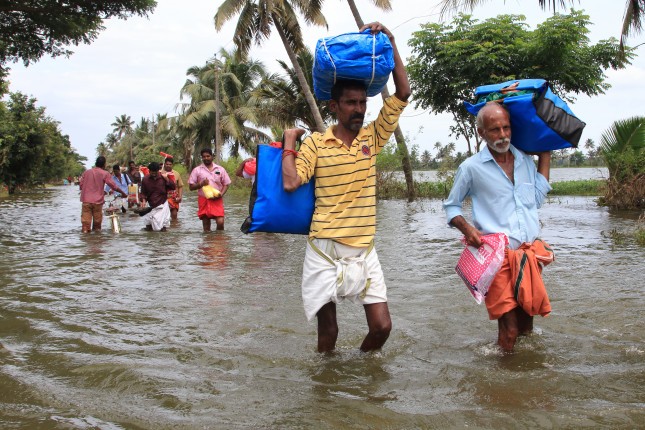
Understanding the Climate–Poverty Link in India
- India ranks among the most climate-vulnerable countries due to its monsoon-dependent agriculture, extensive coastline, and large population living in hazard-prone regions.
- The poor often live in fragile environments — riverbanks, coastal belts, drought-prone regions, and informal settlements — making them the first to face climate extremes.
- Climate change affects not only incomes but also health, food security, education continuity, and long-term human development outcomes.
Impact on Agriculture and Rural Livelihoods
- Over half of India’s workforce remains dependent on agriculture, making it the single biggest climate-sensitive sector.
- Erratic monsoons, rising temperatures, shifting crop cycles, and increased frequency of droughts directly reduce crop yields and farm incomes.
- Rural poverty deepens as small and marginal farmers, constituting nearly 86% of Indian farmers, lack financial buffers or crop insurance.
- Climate-induced crop failures push households into distress migration, indebtedness, or forced asset sales — reinforcing a cycle of vulnerability.
Extreme Weather Events and Urban Poverty
- India is experiencing an alarming rise in extreme weather events — heatwaves, cloudbursts, floods, and cyclones.
- Urban poor in slums face severe risks as such settlements lack drainage, ventilation, and climate-resilient infrastructure.
- Heatwaves make outdoor work hazardous, reducing the earning capacity of daily wage workers in construction, delivery services, and informal sectors.
- Floods and cyclones disrupt transportation, destroy small shops, and cause long-term displacement among low-income families.
Health Impacts Intensifying Poverty
- Climate change increases vector-borne diseases like dengue and malaria, as well as heat-related illnesses.
- Poor households spend a large share of their income on healthcare, pushing many into poverty due to medical expenditure.
- Malnutrition rises in climate-affected regions where crops fail and food prices spike, affecting children’s learning capacity and long-term productivity.
Water Scarcity and Its Social Implications
- Changing rainfall patterns and droughts have intensified India’s water crisis, especially in arid regions like Marathwada, Bundelkhand, and parts of Rajasthan and Karnataka.
- Women bear the disproportionate burden of walking longer distances for water, reducing time for education or income-generating work.
- Water stress triggers conflicts, migration, and wider inequalities between regions and social groups.
Economic Costs and Threat to Development Gains
- Climate-related disasters cost India billions of dollars every year, diverting funds from welfare schemes and infrastructure development.
- Productivity losses due to heat stress affect India’s manufacturing and service sectors.
- Poverty reduction gains achieved over decades risk reversing as repeated climate shocks push vulnerable households back into poverty.
Government Responses and Policy Measures
- India has launched initiatives such as the National Action Plan on Climate Change (NAPCC), state action plans, and the National Adaptation Fund.
- Schemes like PM-KUSUM, MGNREGA, Pradhan Mantri Fasal Bima Yojana, and the Green India Mission support climate-resilient livelihoods.
- India’s push for renewable energy — including a target of 500 GW of non-fossil capacity — reduces long-term climate risks.
- Urban missions like AMRUT, Smart Cities, and PMAY focus on improving resilience for low-income communities.
- However, gaps remain in implementation, climate-risk financing, and targeted support for the poorest households.
What Needs to Be Done: The Way Forward
- Strengthen climate-resilient agriculture through drought-resistant seeds, precision farming, and improved irrigation efficiency.
- Expand social protection—universal crop insurance, climate-linked disaster benefits, and livelihood diversification.
- Improve early warning systems and build disaster-resilient infrastructure in rural and urban regions.
- Promote green jobs and skill development for vulnerable communities.
- Enhance community-based adaptation, especially in coastal, tribal, and drought-prone areas.
Conclusion
Climate change and poverty together form a structural development challenge for India. The poor are not only the most affected but also the least equipped to recover from climate shocks. Addressing this dual crisis requires integrating mitigation, adaptation, and social protection into national planning. For India to sustain economic progress and achieve the Sustainable Development Goals, strengthening climate resilience must become central to its poverty eradication strategy.