
Disaster Management Models; Roles and responsibilities of stakeholders including Community, Concept of first responders
GS-1, Unit-2, Sub Unit-1, HPAS Mains
Disasters—whether natural or human-induced—pose serious threats to life, property, and development. With climate change, urbanization, and population growth increasing disaster risks, effective disaster management has become a crucial governance and societal priority. Modern disaster management is no longer limited to post-disaster relief; it is a comprehensive, multi-stage process involving preparedness, mitigation, response, and recovery. At the heart of this process lie disaster management models, clearly defined stakeholder roles, and the life-saving presence of first responders.
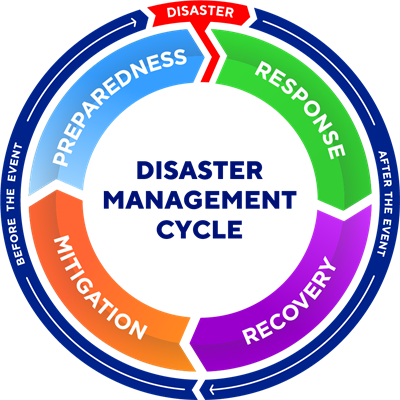
Disaster Management Models: An Overview
Disaster management models provide structured frameworks to plan and coordinate actions before, during, and after disasters. These models help stakeholders understand their responsibilities and ensure timely and organized responses.
- The Disaster Management Cycle
The most widely accepted model, the Disaster Management Cycle, includes four interlinked phases:
- Mitigation: Measures aimed at reducing disaster risks, such as hazard-resistant infrastructure, land-use planning, and environmental conservation.
- Preparedness: Activities like early warning systems, mock drills, capacity building, and emergency planning.
- Response: Immediate actions taken during and after a disaster to save lives and minimize damage.
- Recovery: Restoration of livelihoods, infrastructure, and social systems, along with long-term rehabilitation.
- Integrated Disaster Management Model
This model emphasizes coordination among government agencies, communities, NGOs, and the private sector. It integrates scientific risk assessment, governance mechanisms, and community participation to address disasters holistically.
- Community-Based Disaster Management (CBDM)
CBDM recognizes that communities are the first to face disasters and the last to recover. It focuses on local knowledge, vulnerability assessment, and community-led preparedness and response strategies.
Stakeholder Roles in Disaster Management
Disaster management is a shared responsibility. Effective outcomes depend on coordination among multiple stakeholders at various levels.
- Government and Institutional Stakeholders
Governments play a central role in policy formulation, legal frameworks, and coordination. National and state disaster management authorities formulate plans, allocate resources, and ensure inter-agency coordination. Local governments are responsible for ground-level implementation, risk mapping, and community awareness.
- Community and Local Institutions
Communities are not merely victims but active participants. Local residents contribute indigenous knowledge, identify vulnerable groups, and support evacuation and relief efforts. Panchayats, urban local bodies, self-help groups, and youth organizations act as critical links between authorities and citizens.
- Non-Governmental Organizations (NGOs)
NGOs bridge gaps in outreach, especially in remote and vulnerable areas. They assist in capacity building, emergency relief, psycho-social support, and post-disaster rehabilitation. Their flexibility and grassroots presence make them valuable partners.
- Private Sector
The private sector contributes through infrastructure resilience, logistics, technology, and corporate social responsibility initiatives. Businesses also play a role in ensuring business continuity and protecting livelihoods.
- Media and Academia
Media aids in disseminating early warnings, spreading awareness, and ensuring accountability. Academic and research institutions support disaster risk assessment, innovation, and training programs.
Critical Importance of First Responders
First responders are the backbone of disaster response. They are the first organized individuals or groups to reach affected areas and provide immediate assistance.
Who Are First Responders?
First responders include:
- Local community volunteers
- Police, fire services, and civil defence personnel
- Health workers and emergency medical teams
- Disaster response forces and trained search-and-rescue units
Why First Responders Matter
- Golden Hour Response: Immediate medical aid and rescue during the first few hours can significantly reduce fatalities.
- Local Knowledge: Community-based first responders understand terrain, vulnerabilities, and social dynamics, enabling faster action.
- Trust and Accessibility: People are more likely to cooperate with familiar local responders during emergencies.
- Bridging the Time Gap: External help often takes time to arrive; first responders sustain rescue and relief efforts until reinforcements reach.
Capacity Building for First Responders
Training in first aid, search and rescue, evacuation procedures, and disaster communication is essential. Mock drills, equipment availability, and coordination with authorities enhance their effectiveness.
Community as the First Responder
In most disasters, the community itself acts as the first responder. Neighbours rescue neighbours, provide shelter, and share resources. Recognizing this reality, disaster management models increasingly emphasize community empowerment, local leadership, and inclusive participation, especially of women, youth, and marginalized groups.
Conclusion
Disaster management models provide the strategic foundation for managing risks and responding effectively to disasters. However, their success depends on clearly defined stakeholder roles and strong coordination. Among all stakeholders, first responders—especially community-based responders—play a decisive role in saving lives and reducing losses. Investing in preparedness, capacity building, and community resilience transforms disaster response from reactive relief to proactive risk management. Ultimately, resilient communities supported by effective institutions and empowered first responders form the strongest defence against disasters.