
Fisheries in Himachal: A Glimpse into the ‘Sunrise Sector’
GS-3, Unit-1, Sub Unit-3, HPAS Mains
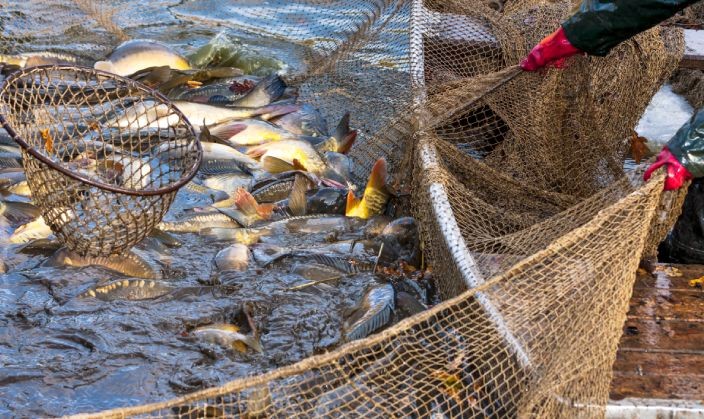
While Himachal Pradesh is known for its mountains and apples, its fisheries sector is a significant, yet often overlooked, contributor to the state’s economy and a source of livelihood for thousands of families. Far from the ocean, the state’s rich network of rivers and man-made reservoirs has created a thriving inland fisheries and aquaculture industry. The Department of Fisheries has been instrumental in harnessing these resources, making Himachal a leader in reservoir fish production in India.
Key Water Resources and Fish Species
Himachal’s fisheries sector is primarily based on its rivers and major man-made reservoirs. The state’s five major rivers, including the Beas, Sutlej, Ravi, Chenab, and Yamuna, along with their tributaries, are home to diverse cold-water fish fauna. The man-made reservoirs are the backbone of the state’s fish production.
Major Reservoirs
- Gobind Sagar: With a massive water spread area, it is known for its high per-hectare fish production.
- Pong Reservoir: This reservoir is famous for its fish catches and recreational fishing activities.
- Chamera and Kol Dam: These reservoirs also contribute significantly to the state’s fish output.
Common Fish Species
The state’s waters are home to a variety of commercially important fish species.
- Indian Major Carps (IMCs): These include Rohu, Catla, and Mrigal, which are extensively stocked and harvested in the reservoirs.
- Trout: Introduced from abroad, Rainbow trout and Brown trout have found a perfect habitat in the state’s cold, oxygen-rich streams. Trout farming has become a key focus of the state government’s promotion efforts.
- Mahseer: Known as the “tiger of the water,” Golden Mahseer is a prized game fish. While its population has declined in some areas due to human intervention, conservation efforts are underway, and it remains a popular target for recreational angling.
Major Fish Farms:
Key state-run fish farms are crucial for seed production. The Deoli Fish Farm in Bilaspur is a major carp breeding centre. The flagship Trout Farm Patlikuhal in Kullu supplies trout seed, while the specialized Mahseer Farm Machhiyal in Mandi focuses on the conservation of the Golden Mahseer.
Contribution to the Economy (GSVA)
The fisheries sector, while a smaller component compared to the state’s dominant agricultural and industrial sectors, plays a crucial role in supporting rural livelihoods and adding to the state’s overall economic value.
- Share of GSVA: According to the Himachal Pradesh Economic Survey for 2024-25, the fisheries sub-sector constitutes approximately 0.14% of the total Gross State Value Added (GSVA) and about 0.94% of the GSVA from the agriculture and allied sector at current prices.
- Livelihood Generation: The fisheries sector provides direct employment to a significant number of people. It’s estimated that around 6,000 families depend on reservoir fisheries alone for their livelihoods.
Challenges and Opportunities
The fisheries sector in Himachal isn’t without its challenges, but it also presents significant opportunities for growth and development.
Challenges
- Habitat Degradation: The construction of dams and other river valley projects has altered the natural habitats of migratory fish like the Mahseer, disrupting their breeding grounds.
- Frequent Floods: The state’s rivers are prone to frequent and often destructive floods, which can wash away fish farms, damage infrastructure, and disrupt the natural aquatic ecosystem.
- Poor Quality of Fish Seed: The availability of high-quality fish seed is a critical challenge. The use of low-quality or genetically inferior seed can lead to poor growth rates, increased disease susceptibility, and ultimately, lower yields for fish farmers.
- Overfishing and Illegal Practices: Uncontrolled fishing and the use of destructive devices pose a threat to fish stocks, especially in riverine systems.
- Climate Change: Changes in water temperature and flow patterns can negatively impact fish populations and habitats.
- Marketing and Infrastructure: Inadequate infrastructure and market linkages can hinder the growth of the aquaculture sector.
Opportunities
- Sustainable Aquaculture: The promotion of sustainable practices, like the Recirculation Aquaculture System (RAS), can enhance productivity while minimizing environmental impact.
- Value Addition: Processing and value addition of fish products, such as smoked trout and fillets, can increase profitability and create new employment opportunities.
- Tourism Integration: Linking fisheries with tourism through activities like angling and recreational fishing can generate revenue and promote conservation awareness.
Government Initiatives and Policies
The Himachal Pradesh government, through its Department of Fisheries, has taken several steps to promote and regulate the sector. These initiatives, often implemented in collaboration with the central government’s Pradhan Mantri Matsya Sampada Yojana (PMMSY), aim to boost production, improve fishermen’s livelihoods, and ensure the sustainability of the sector.
Here are some key government schemes and initiatives:
- The Himachal Pradesh Fisheries Act, 1976: This is the primary legal framework that governs fishing activities in the state. The Act and its rules regulate and prohibit destructive fishing practices, set a “close season” to allow fish to breed, and enforce minimum size/weight limits for different species to ensure the long-term sustainability of fish populations.
- Subsidies for Aquaculture: To encourage fish farming, the government provides significant subsidies. For instance, there is an 80% subsidy on pond construction under the Chief Minister Carp Fishery Yojana. This initiative is being implemented in several districts to promote carp farming.
- Welfare Schemes for Fishermen: The state provides social security to fishermen through various schemes:
- Saving-cum-Relief Scheme: During the “close season” (June and July), when fishing is banned for breeding, the government provides financial assistance to members of cooperative societies.
- Group Accidental Insurance Scheme: All active fishermen are insured against death, permanent disability, and partial permanent disability, with a provision for hospitalization expenses.
- Infrastructure Development: The government is focused on building a robust infrastructure for the fisheries sector.
- Brood Banks: New carp and trout brood banks are being established to provide high-quality, disease-resistant fish seed to farmers.
- Training and Technology: A state-of-the-art training center has been set up to enhance farmers’ skills. The government is also promoting modern techniques like the Recirculation Aquaculture System (RAS), providing funding for such units to maximize trout production.
- Post-Harvest and Marketing Support: To ensure fishermen get fair prices, the government is providing support for post-harvest management and marketing.
- Insulated Boxes: Insulated boxes are being provided to fishermen and cooperative societies for the safe transportation of fish.
- Conservation and Regulation: The government enforces the HP Fisheries Act and Rules to regulate fishing, prohibit destructive practices, and protect endangered species like the Mahseer. A “closed season” is enforced to allow fish to breed, ensuring the long-term health of the fish population.
Himachal’s fisheries have evolved from traditional practices into a viable industry. Fuelled by cold-water resources and government policies—like subsidies and welfare schemes—the sector shows positive growth. With focus on trout farming, value-added products, and eco-tourism, it remains a key “sunrise sector” poised for future economic growth and livelihood security.