
FORESTS OF HIMACHAL PRADESH – GREEN TREASURES OF THE HIMALAYAS
GS-1, Unit-2, Sub Unit-3, HPAS Mains
Himachal Pradesh, spread over 55,673 sq. km, is home to some of the most diverse forest ecosystems in India. Nearly 68% of its geographical area is legally classified as forest land, though actual forest cover (as per India State of Forest Report 2021) is 15,443 sq. km — about 27.74% of the total area. The state’s altitudinal range from 350 m to over 6,000 m supports forest types from tropical deciduous to alpine pastures. These forests not only safeguard the fragile Himalayan ecology but also feed the state’s economy, contributing ₹6,724 crore to GSVA in 2024–25. They also regulate the flow of five major rivers — Beas, Ravi, Chenab, Satluj, and Yamuna — making them vital for water security, hydropower, agriculture, and cultural heritage.
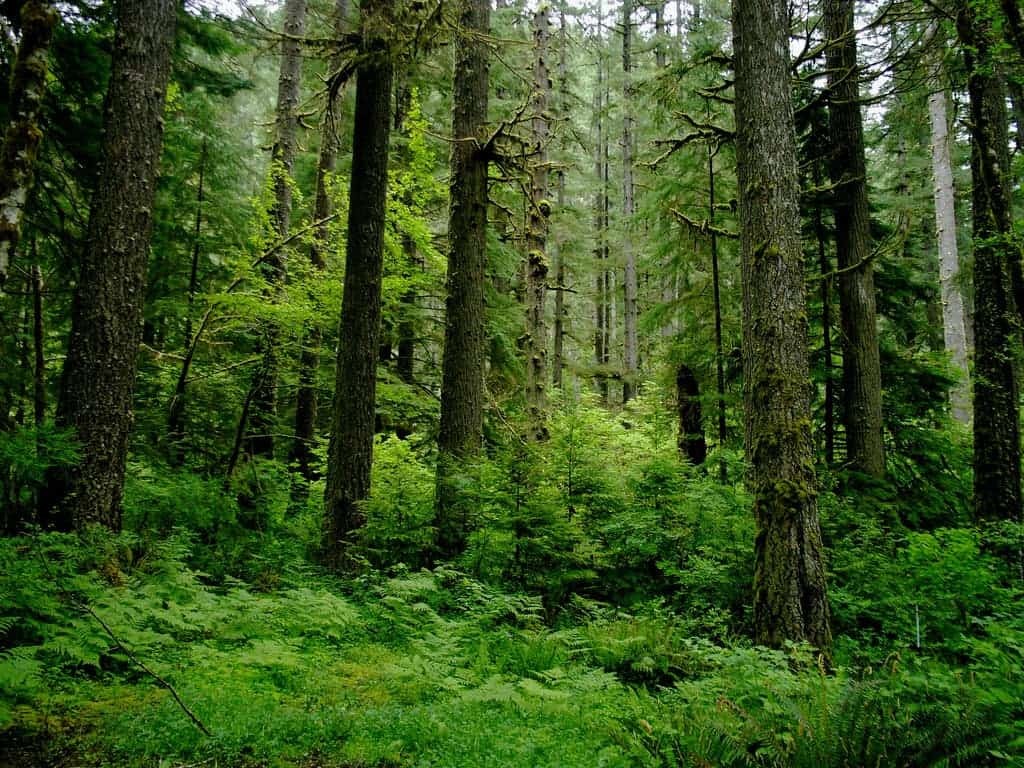
Types of Forests in Himachal Pradesh
- Tropical Dry Deciduous Forests
- Altitude Range: 350–900 m
- Main Areas: Foothill districts — Una, Bilaspur, Kangra, lower Sirmaur, lower Solan
- Key Species: Acacia catechu (Khair), Dalbergia sissoo (Shisham), Terminalia belerica, Bombax ceiba
- Tropical Moist Deciduous Forests
- Altitude Range: 350–1,000 m in moist valleys
- Main Areas: Parts of Kangra, Chamba, Mandi with high rainfall pockets
- Key Species: Terminalia tomentosa, Lagerstroemia parviflora, Mallotus philippensis
- Subtropical Pine Forests
- Altitude Range: 900–1,800 m
- Main Areas: Solan, Bilaspur, lower Shimla, parts of Mandi, Chamba, Kangra
- Key Species: Pinus roxburghii (Chir Pine)
- Himalayan Subtropical Broad-Leaved Hill Forests
- Altitude Range: 900–2,000 m in moist areas adjacent to pine belts
- Main Areas: Mid-hill zones of Chamba, Shimla, Kangra, Mandi
- Key Species: Quercus leucotrichophora (Ban Oak), Rhododendron arboreum, Myrsine africana
- Himalayan Moist Temperate Forests
- Altitude Range: 1,500–3,000 m
- Main Areas: Kullu, Shimla, Chamba, Mandi, Kinnaur
- Key Species: Cedrus deodara (Deodar), Abies pindrow (Silver Fir), Picea smithiana (Spruce), Pinus wallichiana (Blue Pine)
- Himalayan Dry Temperate Forests
- Altitude Range: 1,800–3,300 m in rain-shadow areas
- Main Areas: Lahaul-Spiti, Kinnaur, upper Chamba
- Key Species: Pinus gerardiana (Chilgoza Pine), Juniperus macropoda (Juniper), Betula utilis (Birch)
- Sub-Alpine Forests
- Altitude Range: 3,000–3,500 m
- Main Areas: Higher reaches of Kinnaur, Lahaul, Chamba, Kullu
- Key Species: Betula utilis (Birch), Abies spectabilis (Silver Fir), dwarf Rhododendron species
- Moist Alpine Scrub & Alpine Pastures
- Altitude Range: Above 3,500 m
- Main Areas: Trans-Himalayan belts of Lahaul-Spiti, Kinnaur, high passes of Chamba and Kullu
- Key Species: Rhododendron anthopogon, Juniperus communis, alpine grasses and sedges
Significance of Forests for Himachal Pradesh
- Ecological Stability: Forests prevent landslides, maintain soil and water flow from springs, and act as carbon sinks.
- Livelihoods: Many rural families depend on timber, resin, medicinal plants, fodder, and honey for income.
- Tourism & Culture: Scenic Forest landscapes and sacred groves bolster tourism and local belief systems.
- Biodiversity: These forests harbour snow leopards, Himalayan monal, musk deer, and thousands of plant species.
Contribution to the State (GSVA)
In FY 2024–25, the forestry and logging sector contributed approximately ₹6,724 crore to Himachal Pradesh’s Gross State Value Added (GSVA). This constituted 21.09% of the Agriculture & Allied sector’s GVA and 3.10% of the total GSVA. This significant monetary value underscores the sector’s economic importance—not just ecologically, but as a core driver of the state’s economy, supporting employment, revenue, and allied industries.
Government Initiatives & Policies
- Forest Conservation Act, 1980: Controls diversion of forest land.
- HP Forest Policy (1980; revised 2018): Emphasizes conservation, watersheds, and community participation.
- Van Mahotsav: Annual mass afforestation drives.
- CAMPA: Funds for compensatory afforestation and restoring degraded forest areas.
- Ban on Green Felling: The Himachal Pradesh (HP) government has implemented a ban on green felling of trees on private land, particularly above 1,000 meters, and has introduced regulations to reduce plastic use to protect the state’s ecosystems.
- Plantation Target for FY 2024–25: 8,000 ha under afforestation plan (6,715 ha achieved).
- Eco-Tourism Policies and Biodiversity Action Plans to safeguard forest wealth.
Challenges Faced
- Deforestation & Encroachment: From agriculture expansion, infrastructure development, and tourism.
- Forest Fires: Especially in dry Chir Pine zones during summer.
- Overgrazing: Degrades fragile alpine and temperate zones.
- Climate Change: Alters species distribution, creates erratic weather and glacier melt.
- Illegal Logging & Resin Tapping: Threatens biodiversity.
- Invasive Species: Lantana and Parthenium encroach native forests.
- Fragmentation: Road-building and settlements disrupt wildlife corridors and habitat continuity.
Way Forward
- Community Empowerment: Strengthen Joint Forest Management and panchayat-led forest governance.
- Fire Control & Monitoring: Establish early warning systems, fire lines, and trained local watchers.
- Climate-Resilient Plantation: Focus on native, adaptive species to future-proof forests.
- Sustainable Tourism: Enforce carrying capacities and eco-sensitive practices.
- Promote Non-Timber Forest Products: Boost livelihoods without harming forest integrity.
- Corridor Restoration: Reconnect fragmented wildlife habitats.
- Digital Surveillance: Use GIS, remote sensing, and drones to monitor forest health and enforcement.
- Education & Awareness: Grassroots-level conservation programs to foster long-term stewardship.
Forests in Himachal Pradesh are much more than mere green cover—they’re the ecological backbone, cultural heritage, and economic engine of the state. Backed by their striking contribution to GSVA (₹6,724 crore in FY 2024–25), these forests need a balanced future—anchored in conservation, sustainable use, and empowered community governance. For HPAS Mains Preparation Join Nimbus Academy for IAS.