
From Resistance to Revolution: The Many Stages of India’s Fight for Freedom
GS-1, Unit-1, Sub Unit-1, HPAS Mains
India’s struggle for independence was not a single event but a prolonged journey spanning centuries. It was a story of courage, sacrifice, and relentless determination. The fight for freedom evolved through multiple stages, shaped by various movements and led by eminent personalities from different parts of the country. Understanding these stages helps us appreciate the collective effort that ultimately culminated in India’s independence in 1947.
Early Resistance: The Seeds of Rebellion (18th – early 19th century)
- Regional powers resisted the increasing control of the British East India Company.
- Leaders like Rani Lakshmibai of Jhansi, Baji Rao II, and Tipu Sultan of Mysore led military campaigns against British expansion.
- Focus was primarily on defending territories rather than achieving national independence.
- Laid the foundation for a spirit of resistance that inspired later generations of freedom fighters.
The Revolt of 1857: The First Major Uprising
- Began in Meerut and spread across northern and central India.
- Involved soldiers, peasants, and local rulers uniting against British policies.
- Key figures included Mangal Pandey, Rani Lakshmibai, Bahadur Shah Zafar, and Tantia Tope.
- Exposed weaknesses in British control and fostered early national consciousness.
The Rise of Organized Political Movements (Late 19th – Early 20th century)
- Formation of the Indian National Congress (INC) in 1885 to voice Indian aspirations.
- Leaders like Dadabhai Naoroji, Gopal Krishna Gokhale, and Bal Gangadhar Tilak advocated reforms and economic justice.
- Emergence of two approaches:
- Moderates – seeking reforms through dialogue.
- Extremists – favouring more assertive action.
- Strengthened freedom movement by combining political pressure and mass mobilization.
Non-Cooperation and Civil Disobedience Movements (1919–1934)
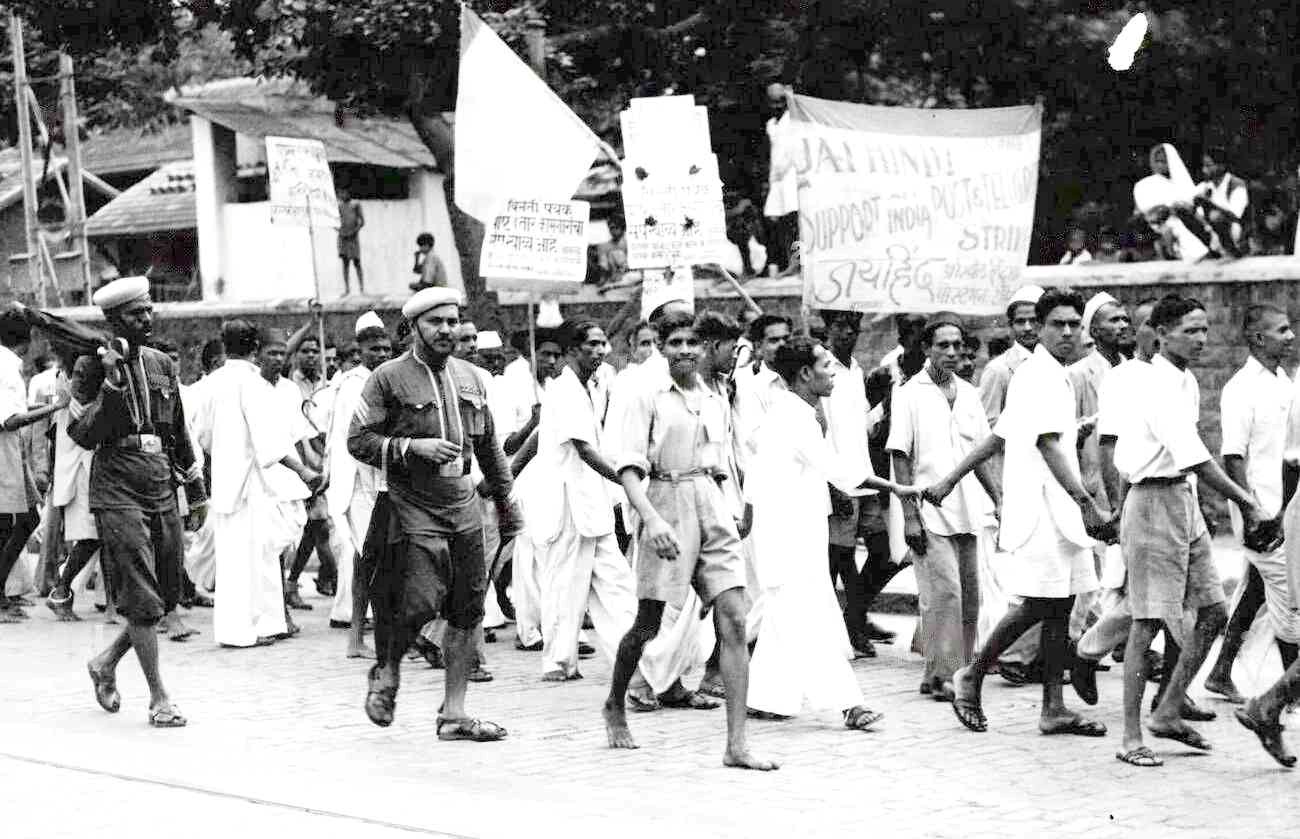
- Led by Mahatma Gandhi, emphasizing Satyagraha and non-violent resistance.
- Non-Cooperation Movement (1920–22) and Civil Disobedience Movement (1930–34) mobilized millions.
- Leaders like Jawaharlal Nehru, Sardar Vallabhbhai Patel, and C.R. Das organized protests, boycotts, and marches.
- Women and students actively participated, bringing social transformation alongside political struggle.
- Regional movements in Bengal, Punjab, and Madras contributed to the nationwide momentum.
Revolutionary Movements and Armed Struggles
- Young revolutionaries believed armed struggle was essential to challenge British authority.
- Key figures: Bhagat Singh, Chandra Shekhar Azad, Subhas Chandra Bose, and members of the Ghadar Party.
- Inspired patriotic fervour and created pressure on the colonial administration.
- Complemented non-violent mass movements, keeping the freedom struggle dynamic and multi-faceted.
The Quit India Movement and Final Struggle (1942–1947)
- Quit India Movement called by Gandhi for immediate withdrawal of British rule.
- Leaders like Maulana Abul Kalam Azad, Aruna Asaf Ali, and Ram Manohar Lohia led protests despite mass arrests.
- Subhas Chandra Bose formed the Indian National Army (INA) to fight militarily against the British.
- Combined political agitation, civil disobedience, and armed struggle created pressure that led to independence.
- Culminated in India gaining independence on 15th August 1947.
Contribution of Regional Leaders and Unsung Heroes
- Freedom struggle was truly national, not limited to urban elites or a single region.
- Leaders like Veerapandiya Kattabomman (Tamil Nadu), Shivaram Rajguru (Maharashtra), Rani Gaidinliu (Nagaland), and Subedar Ram Singh (Punjab) played vital roles.
- Ensured the fight for independence included diverse communities, languages, and regions.
India’s struggle for independence evolved from localized resistance to mass movements and revolutionary struggles, driven by the courage and vision of countless leaders. Each stage, whether early resistance, political reform, non-violent protest, or revolutionary action, played a vital role in shaping the ultimate success of the freedom movement. The journey reminds us that freedom is the result of collective sacrifice, persistence, and unwavering courage, and the stories of these leaders continue to inspire generations today.