
NATIONAL HIGHWAYS AND HIMACHAL PRADESH’S FRAGILE ECOLOGY
GS-3, Unit-1, Sub Unit-3, HPAS Mains
Himachal Pradesh, the “Devbhoomi” or Land of Gods, is renowned for its pristine natural beauty, towering Himalayas, and delicate ecosystems. However, the rapid expansion of National Highways, while promising progress, casts a long shadow over this fragile ecology, bringing with it a complex web of social, economic, political, and environmental impacts.
The Economic Engine: A Double-Edged Sword
National Highways are vital for India’s economy, contributing 4% to GDP and handling 65% of freight movement. They create significant employment (e.g., 45 crore man-days direct employment by NHAI), reduce logistics costs, and enhance market access for goods and produce, undeniably fuelling growth.
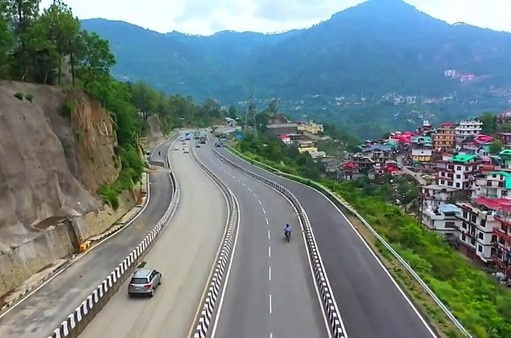
Here’s a breakdown of the social, economic, political, and environmental impacts:
- Economic Impact:
- Positive:
- Boost to Tourism: Improved connectivity (e.g., NH-3, formerly NH-21 to Manali) facilitates tourist influx, generating revenue.
- Agricultural Market Access: Easier transport of produce (e.g., apples from Kullu, Kinnaur) to markets, benefiting farmers.
- Industrial Development: Encourages industrial growth in specific zones (e.g., Baddi), creating jobs.
- Job Creation: Direct and indirect employment in logistics, hospitality, and construction sectors.
- Enhanced Trade: Smoother movement of goods and services.
- Negative:
- Increased Resource Demand: Higher traffic and population put pressure on local resources.
- Strain on Local Economies: Rapid industrialization may overwhelm local economic structures.
- Social Impact:
- Positive:
- Improved Accessibility: Better access to healthcare and educational facilities for remote communities.
- Negative:
- Community Displacement: Land acquisition for widening roads (e.g., sections of NH-707) often leads to displacement.
- Loss of Livelihoods & Culture: Disrupted lives, traditional occupations, and cultural heritage for affected families.
- Strain on Local Resources: Influx of construction workers can stress local amenities.
- Altered Social Dynamics: Changes in community structures due to new populations.
III. Political Impact:
- Prioritization of Development: Highway development is often a key political agenda, emphasizing connectivity and progress.
- Strategic Importance: Focus on infrastructure in border states like Himachal Pradesh due to national security.
- Compromise on Environment: Political push for rapid development can sometimes override environmental concerns.
- Enforcement Challenges: Potential for relaxed environmental impact assessments or insufficient enforcement of mitigation measures.
- Local Pressures: Political pressures to connect remote villages can lead to unsustainable construction practices.
- Inter-Agency Conflict: Instances of state government criticizing central agencies (e.g., NHAI) for unscientific hill-cutting.
- Environmental Impact:
- Landslides and Erosion:
- Slope Destabilization: Deep excavations and widening (e.g., Bharatmala Pariyojana projects) destabilize fragile mountain slopes.
- Increased Landslide Frequency: Studies link a significant percentage of landslides to road construction.
- Muck Dumping: Improper disposal of debris into valleys increases erosion and river silting.
- Deforestation and Biodiversity Loss:
- Habitat Fragmentation: Extensive deforestation for road construction fragments wildlife habitats.
- Threat to Biodiversity: Poses a threat to the rich biodiversity of the Western Himalayas, even in protected areas.
- Water Scarcity and Pollution:
- Disrupted Drainage Patterns: Road construction can alter natural water flow, impacting local springs (crucial for drinking water).
- Increased Runoff: Concrete surfaces reduce soil permeability, leading to increased surface runoff and flash flood risks.
- Vehicular Pollution: Affects air quality, soil health, and microbial diversity.
- Groundwater Depletion: Projects like the Atal Tunnel have faced criticism for impacting groundwater levels.
- Waste Management Crisis:
- Increased Tourist Waste: Enhanced connectivity brings more tourists, overwhelming existing waste management systems.
- Plastic Pollution: Leads to overflowing landfills and increased plastic pollution, especially in popular tourist destinations.
Way Forward:
- Strengthen EIAs: Conduct rigorous, specialized EIAs for fragile Himalayan ecosystems.
- Eco-Friendly Construction: Employ methods like tunnel boring, bio-engineering, and permeable pavements.
- Integrated Planning: Develop land-use plans combining highways with conservation and tourism.
- Scientific Muck Disposal: Implement strict protocols for excavated material.
- Robust Monitoring: Ensure strong enforcement of environmental compliance.
- Community First: Prioritize fair resettlement and local involvement.
- Green Mobility: Promote public transport and electric vehicles.
- Sustainable Tourism: Enforce strict waste management and awareness.
- Research & Innovation: Invest in climate-resilient road tech and hazard warning systems.