
“Historical Perspective of Indian Cultural” Heritage
Tracing the Roots: A Historical Perspective of Indian Cultural Heritage
India, often described as a land of diversity, is a living tapestry of traditions, beliefs, languages, arts, and practices that have evolved over millennia. The cultural heritage of India is not just a collection of monuments and artifacts; it is the embodiment of values, philosophies, and creativity of its people. From the ancient Indus Valley Civilization to contemporary expressions of art and culture, India’s heritage reflects a journey shaped by geography, religion, trade, conquest, and intellectual thought.
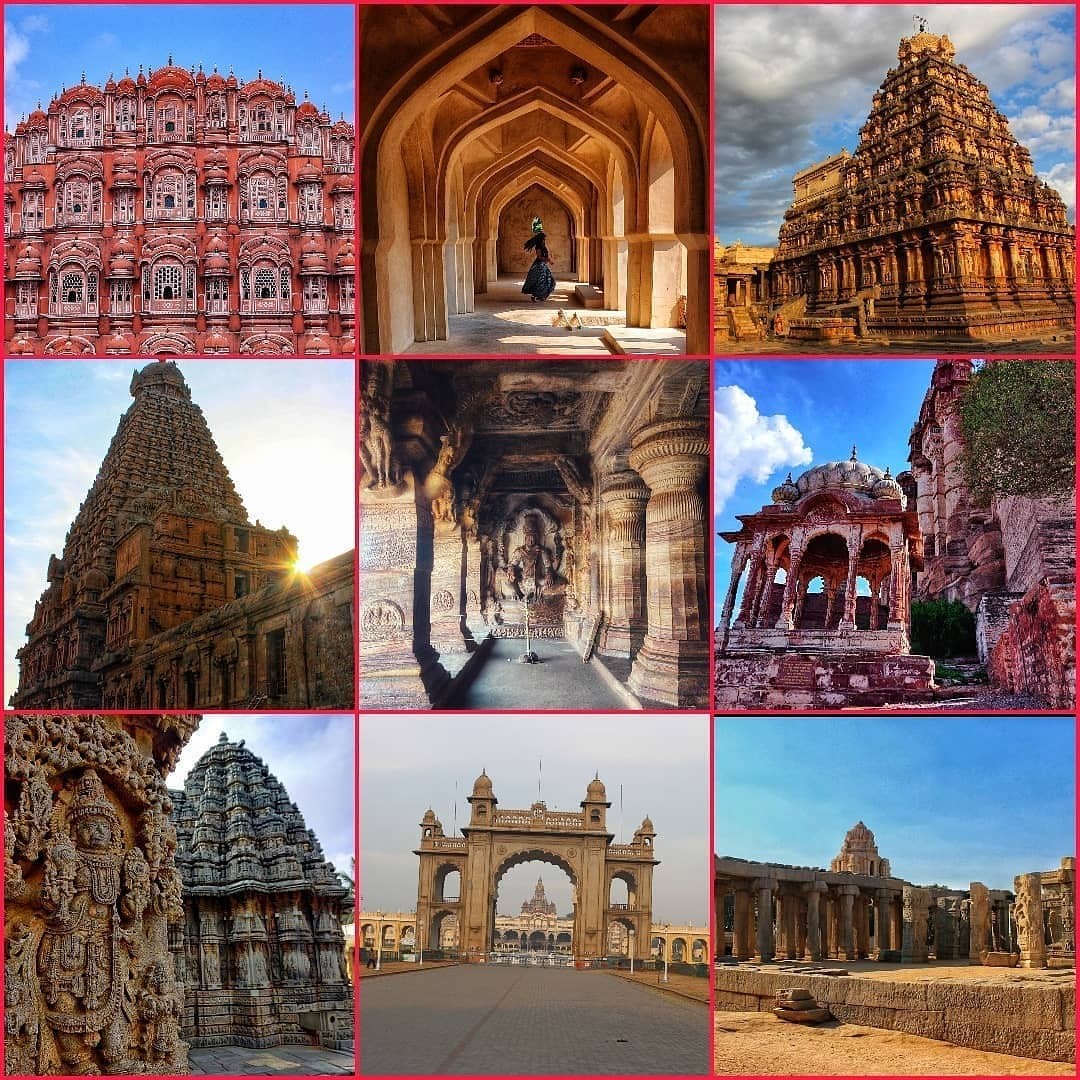
Ancient Foundations of Indian Culture
- Indus Valley Civilization (c. 3300–1300 BCE):
- Urban planning with well-laid streets and drainage systems
- Artistry in pottery, seals, jewellery, and figurines
- Early social organization and trade networks
- Vedic Period (c. 1500–500 BCE):
- Composition of the Vedas in Sanskrit
- Philosophical concepts like dharma (duty) and karma (action)
- Development of rituals, music, and early dance forms
- Maurya and Gupta Periods (321 BCE – 550 CE):
- Ashoka’s promotion of Buddhism and construction of stupas and pillars
- Flourishing of Sanskrit literature and scholarly works
- Advances in sculpture, classical art, and temple architecture
Medieval Influences: A Fusion of Traditions
- Regional Kingdoms:
- Cholas, Vijayanagara, and Rajputs excelled in temple architecture
- Creation of classical dance forms like Bharatanatyam and Kathakali
- Sculpture and decorative arts reflecting religious and cultural themes
- Delhi Sultanate & Mughal Empire:
- Introduction of Persian and Central Asian artistic styles
- Iconic monuments like the Taj Mahal and Qutub Minar
- Enrichment of music, miniature painting, and literature (Hindustani classical music)
Colonial Impact and Cultural Transformation
- British Influence:
- Introduction of modern education, law, and technology
- Disruption of traditional arts and crafts under colonial economic policies
- Cultural Revival Movements:
- Bengal Renaissance and other reform movements aimed at preserving Indian culture
- Efforts by thinkers like Raja Ram Mohan Roy and Rabindranath Tagore
- Revival of literature, philosophy, and art as forms of cultural identity
Modern India: Preservation and Contemporary Expression
- Heritage Preservation:
- Role of the Archaeological Survey of India (ASI) in safeguarding monuments
- UNESCO World Heritage sites highlighting India’s historical treasures
- Living Traditions:
- Continuation of festivals, crafts, and regional practices
- Adaptation of classical art forms alongside modern artistic expressions
- Contemporary Creativity:
- Blending of traditional and modern art in music, cinema, literature, and digital media
- Crafts like Madhubani painting, Pashmina weaving, and block printing thriving with new audiences
- Reflection of India’s adaptability and resilience in cultural expression
Conclusion
India’s cultural heritage is a remarkable story of continuity and change. It is a legacy shaped by ancient civilizations, philosophical thought, regional diversity, foreign influences, and modern preservation efforts. This heritage is not frozen in time—it evolves with each generation while maintaining deep roots in tradition. By understanding and celebrating India’s historical perspective, we recognize the richness of its past and the responsibility to safeguard it for the future. India’s cultural heritage, in essence, is a mirror reflecting the creativity, wisdom, and resilience of its people—a living testament to a civilization that has thrived for thousands of years.