
Horticulture Sector in Himachal Pradesh: Opportunities and Challenges
GS-3, Unit-1, Sub-Unit-3, HPAS Mains
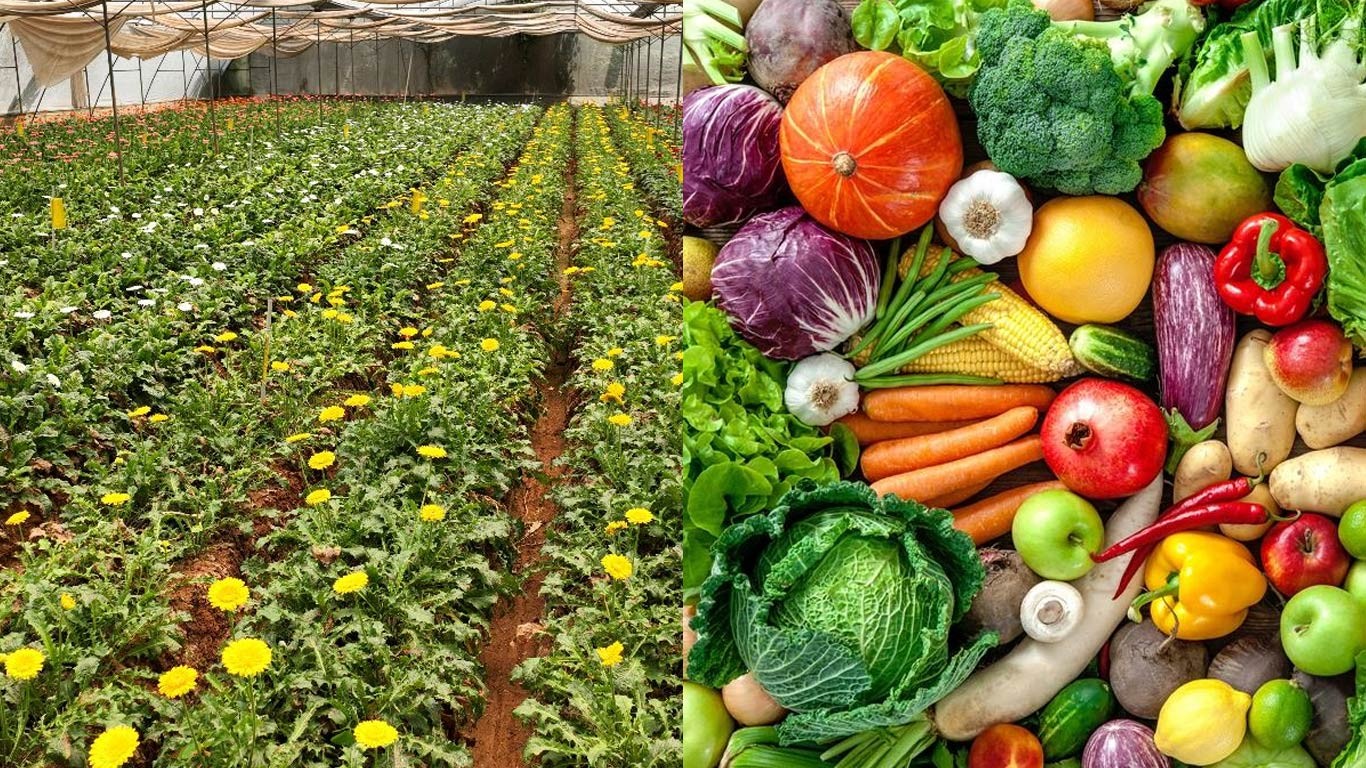
Himachal Pradesh, nestled in the western Himalayas, has carved a unique identity as the “Fruit Bowl of India.” Its varied agro-climatic conditions, ranging from subtropical plains to cold deserts, make it ideal for producing apples, stone fruits, off-season vegetables, and floriculture crops. Over the years, horticulture has not only diversified the state’s agrarian economy but also transformed the livelihood of thousands of rural households.
Significance of Horticulture
- Economic Backbone – Horticulture has emerged as one of the fastest-growing segments of agriculture in Himachal, contributing substantially to farmer incomes and state revenue.
- High-Value Production – Unlike traditional cereals, fruit cultivation provides much higher returns per hectare, making it a profitable alternative in the hill economy.
- Employment Generation – The sector provides direct and indirect employment to lakhs of people in farming, grading, packaging, cold storage, and transportation.
- Social Impact – Women and smallholders play a significant role in orchard management, making horticulture inclusive and socially empowering.
- Tourism Linkages – Apple orchards, floriculture, and fruit-based products also add to the tourism economy of Himachal.
Contribution to GSVA
According to recent estimates, 14.70% of Himachal Pradesh’s Gross State Value Added (GSVA) during FY 2024–25 comes from Agriculture and Allied sectors. Within this, horticulture is the driving force:
- Apple cultivation contributes nearly 85% of the total fruit economy, making Himachal synonymous with apples across India.
- Stone fruits (peach, plum, apricot, cherry) and new crops like kiwi, walnut, and pomegranate are gradually expanding the state’s horticulture basket.
- Off-season vegetables like tomato, capsicum, cauliflower, and peas further strengthen farmer incomes and enhance crop diversity.
State Government Schemes to Promote Horticulture
The Himachal Pradesh government, supported by central missions, has launched several initiatives to boost horticulture:
- Himachal Pradesh Horticulture Development Project (HPHDP)
- World Bank-aided project.
- Focuses on high-density plantations, climate-resilient varieties, pack houses, nurseries, and marketing reforms.
- Mukhyamantri Nutan Polyhouse Yojana
- Provides subsidy support for setting up polyhouses, encouraging protected cultivation of vegetables and flowers.
- Prakritik Kheti Khushhal Kisan Yojana
- Promotes natural farming practices to reduce dependence on costly chemical fertilizers and pesticides.
- Y.S. Parmar Kisan Swarozgar Yojana
- Supports small farmers in adopting high-value horticulture through micro-irrigation, greenhouses, and modern orchard practices.
- Subsidy Schemes under MIDH (Mission for Integrated Development of Horticulture)
- Grants support for irrigation, orchard rejuvenation, cold storages, and post-harvest management.
- Market and Processing Support
- Strengthening of HPMC (Horticultural Produce Marketing and Processing Corporation) for procurement, processing, and marketing of apple and stone fruits.
Challenges Facing the Sector
- Climate Change – Rising temperatures, erratic snowfall, and hailstorms are pushing apple belts upward, threatening traditional cultivation areas.
- Shrinking Land Holdings – Fragmented farms make mechanization and economies of scale difficult.
- Pest and Diseases – Apple scab, canker, and emerging viral diseases are causing productivity losses.
- Inadequate Infrastructure – Limited cold storages, grading units, and pack houses lead to post-harvest wastage.
- Price Volatility – Farmers remain vulnerable to fluctuating market prices and dominance of middlemen.
- High Input Costs – Fertilizers, pesticides, and transport in hilly terrain reduce profitability.
- Export Competitiveness – Lack of branding, certification, and processing capacity restricts Himachali produce from accessing global markets effectively.
Way Forward
- Climate-Resilient Varieties – Introduce high-density and low-chill apple varieties suited to changing weather patterns.
- Infrastructure Strengthening – Expand cold chains, controlled atmosphere storages, and logistics to reduce post-harvest losses.
- Diversification – Promote kiwi, pomegranate, walnut, and floriculture to reduce over-dependence on apples.
- Market Reforms – Strengthen Farmer Producer Organizations (FPOs) and direct market linkages to reduce middlemen exploitation.
- Processing and Value Addition – Establish food parks, juice plants, and branding initiatives for Himachali fruits.
- Sustainable Farming – Encourage natural and organic practices for ecological protection and premium market value.
- Skill Development – Provide training in orchard management, protected cultivation, and agribusiness entrepreneurship.
Conclusion
The horticulture sector underpins Himachal Pradesh’s rural economy, supporting GSVA, employment, and exports. With climate-smart practices, infrastructure improvements, and diversification, the state can sustain growth and emerge as a global horticulture hub.