
IN-SPACe: Opening New Frontiers in India’s Space Sector
GS-3, Unit-2, Sub Unit-1, HPAS Mains
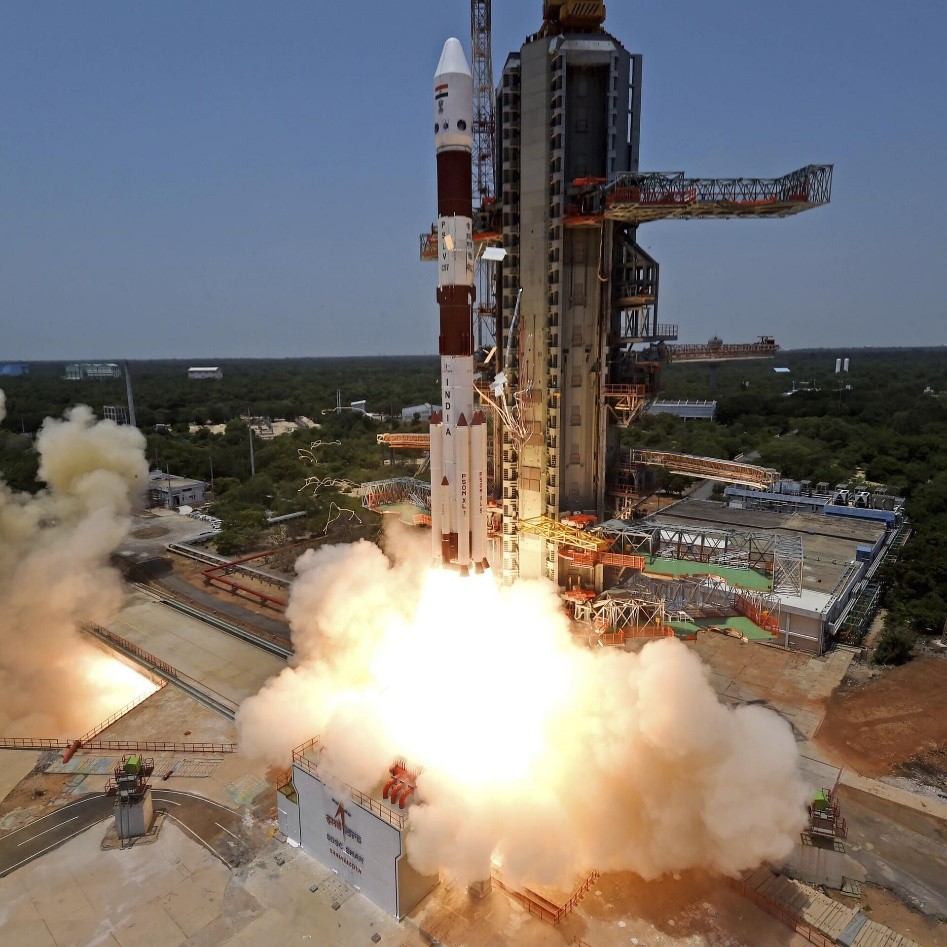
India’s space journey, led by the Indian Space Research Organisation (ISRO), has long been a source of pride. From launching satellites for communication and weather forecasting to interplanetary missions like Chandrayaan and Mangalyaan, ISRO has demonstrated India’s scientific and technological prowess. However, as space increasingly becomes a hub for innovation and entrepreneurship, there arose a need to open this domain to private participation. To meet this demand, the Government of India established IN-SPACe — the Indian National Space Promotion and Authorization Centre — in 2020.
What is IN-SPACe?
IN-SPACe is an autonomous nodal agency under the Department of Space (DoS). Its primary role is to promote, guide, and regulate private sector participation in India’s space activities. Unlike ISRO, which focuses on research and development, IN-SPACe acts as a facilitator and single-window agency, ensuring that non-government entities (NGEs) can access infrastructure, technology, and data for space-related projects.
In simple terms, while ISRO remains the driver of India’s space missions, IN-SPACe ensures that startups, industries, and academic institutions can join the journey.
Objectives of IN-SPACe
- Encourage Private Participation – Create opportunities for industries, startups, and academia to build satellites, rockets, and space applications.
- Regulatory Role – Ensure safety, transparency, and compliance with national and international obligations.
- Resource Sharing – Allow private players access to ISRO’s launch pads, test facilities, and expertise.
- Capacity Building – Promote innovation and entrepreneurship in space technologies.
- Commercial Growth – Support the emergence of India as a global hub for space-based services and manufacturing.
Legal and Policy Framework
The establishment of IN-SPACe is part of a broader reform in the space sector:
- Space Sector Reforms 2020 – Opened the sector to private players in satellite production, launch services, and space applications.
- Draft Space Activities Bill, 2017 – Provided the initial framework for regulating commercial activities.
- New Space Policy 2023 – Clarified the roles of ISRO, IN-SPACe, and private entities. It positioned ISRO as a knowledge hub while IN-SPACe became the key regulatory and promotion agency.
- Bharatiya Antariksha Vidheyak (Space Activities Bill), 2023 (proposed) – Aims to legally empower IN-SPACe and define liability and licensing structures.
Functions of IN-SPACe
- Authorization – Approves space activities like satellite launches, manufacturing, or ground station operations by private companies.
- Promotion – Acts as a facilitator to boost private investments and startups in space.
- Regulation – Ensures compliance with treaties such as the Outer Space Treaty, 1967.
- Coordination – Bridges the gap between ISRO and private companies by allowing access to testing, R&D, and infrastructure.
- Capacity Development – Encourages academia and research institutions to collaborate on space missions.
Achievements and Developments
Since its inception, IN-SPACe has taken several initiatives:
- Facilitated launches of small satellites developed by Indian startups.
- Supported private firms like Skyroot Aerospace, Agnikul Cosmos, and Pixxel to use ISRO facilities.
- Helped streamline processes for licensing and approvals in record time.
- Promoted international collaborations by enabling private Indian firms to participate in the global space economy.
Challenges Ahead
While IN-SPACe is a major reform, the road ahead has hurdles:
- Regulatory Clarity – Finalization of space laws and liability issues is still pending.
- Infrastructure Demand – Private players need more test facilities, launch sites, and R&D centres.
- Funding Constraints – Startups often face capital shortages to sustain expensive space ventures.
- Global Competition – India must compete with established private giants like SpaceX, Blue Origin, and OneWeb.
- Awareness and Talent Pool – A strong ecosystem of skilled manpower and academic-industry collaboration is required.
Way Forward
- Speedy Policy Implementation – Enactment of a clear legal framework will boost investor confidence.
- Public-Private Partnerships (PPPs) – Encourage collaboration between ISRO, IN-SPACe, and industries to share risks and rewards.
- Financial Support – Dedicated space venture funds, tax incentives, and incubation support for startups.
- Infrastructure Expansion – Build more spaceports, labs, and innovation hubs across India.
- Global Integration – Position India as a cost-effective destination for satellite launches and space-based services.
Conclusion
The creation of IN-SPACe marks a historic shift in India’s space journey — from a government-dominated model to a collaborative, inclusive ecosystem. By opening doors for private innovation, India can accelerate its presence in the $600+ billion global space economy. If supported with robust policies, infrastructure, and funding, IN-SPACe has the potential to make India not just a participant but a leader in the new space age.