
India’s Role in the Global Supply Chain: Challenges and Opportunities
GS-3, Unit-1, Sub Unit-1, HPAS Mains
In today’s interconnected world, global supply chains are the backbone of international trade, linking countries, businesses, and consumers. India, with its large workforce, expanding industrial base, and strategic location, plays a crucial role in this network. Over the past decade, India has emerged as a significant player in industries such as pharmaceuticals, information technology (IT), textiles, and automotive components. While there are immense opportunities for India to strengthen its position, several challenges could affect its integration into global supply chains.
What is a Global Supply Chain?
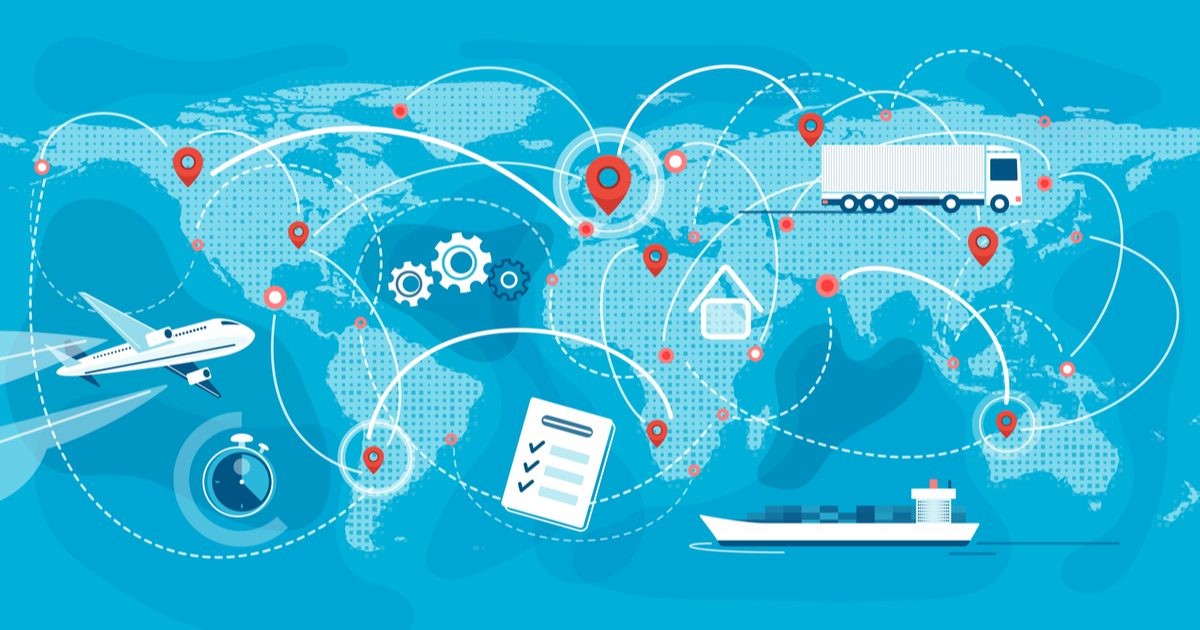
A global supply chain refers to the network of suppliers, manufacturers, distributors, and retailers across different countries that work together to produce, transport, and deliver goods and services to end customers. It encompasses the entire journey of a product—from sourcing raw materials to production, distribution, and final delivery—often spanning multiple countries and industries. Efficient global supply chains are vital for timely production, cost optimization, and meeting the demands of international markets.
Opportunities for India in the Global Supply Chain
- Strategic Location and Market Size:
- India’s geographic position connects East Asia, the Middle East, and Europe, making it a natural hub for trade.
- A domestic market of over 1.4 billion people offers strong internal demand, attracting businesses to establish production and export centers.
- Skilled Workforce and Cost Advantage:
- India has a large, English-speaking, and skilled workforce, particularly in sectors such as IT, engineering, and pharmaceuticals.
- Labor costs are comparatively lower than in developed economies, making India a cost-effective destination for outsourcing and manufacturing.
- Growing Manufacturing and Infrastructure Initiatives:
- Government initiatives like Make in India aim to transform India into a global manufacturing hub.
- Development of industrial corridors, smart cities, and upgraded ports is gradually improving logistics and production capabilities.
- Sectors such as electronics, automobiles, and chemicals are already benefiting from these initiatives.
- Rising Participation in Global Trade Agreements:
- India is actively engaging in regional and bilateral trade agreements, such as FTAs with the UAE, Japan, and Australia.
- These agreements facilitate smoother access to international markets and strengthen India’s integration into global supply chains.
Challenges India Faces in Global Supply Chains
- Infrastructure Bottlenecks:
- Despite improvements, inconsistent road and rail connectivity, congested ports, and limited warehousing facilities increase transportation costs.
- Such inefficiencies reduce India’s competitiveness compared to countries with more advanced logistics networks.
- Regulatory Complexity and Bureaucracy:
- India’s regulatory environment can be cumbersome, with multiple approvals and complex compliance procedures.
- Delays in customs and fluctuating trade policies sometimes create uncertainty for businesses, affecting timely delivery.
- Dependence on Imported Raw Materials:
- Many Indian industries, including electronics, chemicals, and machinery, rely heavily on imported raw materials.
- Global supply disruptions, as seen during the COVID-19 pandemic, can halt production and reduce India’s reliability as a supplier.
- Technological Gaps and Innovation Needs:
- Certain industries lag in automation, digital integration, and advanced manufacturing technologies.
- Adoption of Industry 4.0 practices, smart factories, and digital supply chain management tools is essential to remain competitive globally.
The Path Forward
- Invest in Infrastructure: Strengthen roads, railways, ports, and warehousing facilities to ensure faster and cost-effective transportation.
- Simplify Regulations: Streamline customs and compliance procedures to reduce delays and make trade more predictable.
- Reduce Dependency on Imports: Promote domestic production of critical raw materials to mitigate supply risks.
- Embrace Technology: Incorporate automation, AI, and smart supply chain management systems to improve efficiency and global competitiveness.
- Strengthen Skill Development: Equip the workforce with advanced manufacturing and digital skills to meet global supply chain demands.
Conclusion
India’s potential in the global supply chain is immense. Its strategic location, skilled workforce, and growing industrial base make it well-positioned to become a major supplier of goods and services worldwide. By addressing infrastructure gaps, simplifying regulations, reducing import dependency, and embracing advanced technologies, India can significantly enhance its global trade presence. Successfully navigating these challenges will allow India not only to strengthen its role in international supply chains but also to contribute to their resilience and sustained growth.