
Industrial Growth in India: Challenges, Opportunities, and the Road Ahead
India’s industrial sector has long served as a vital pillar of economic development, bridging the gap between agriculture and services while generating employment, fostering innovation, and strengthening global trade linkages. From a heavily regulated system in the early decades after independence to a more liberalized and globally integrated framework today, India’s industrial journey reflects both continuity and change. Yet, despite progress, the sector stands at a crossroads where persistent challenges coexist with significant opportunities.
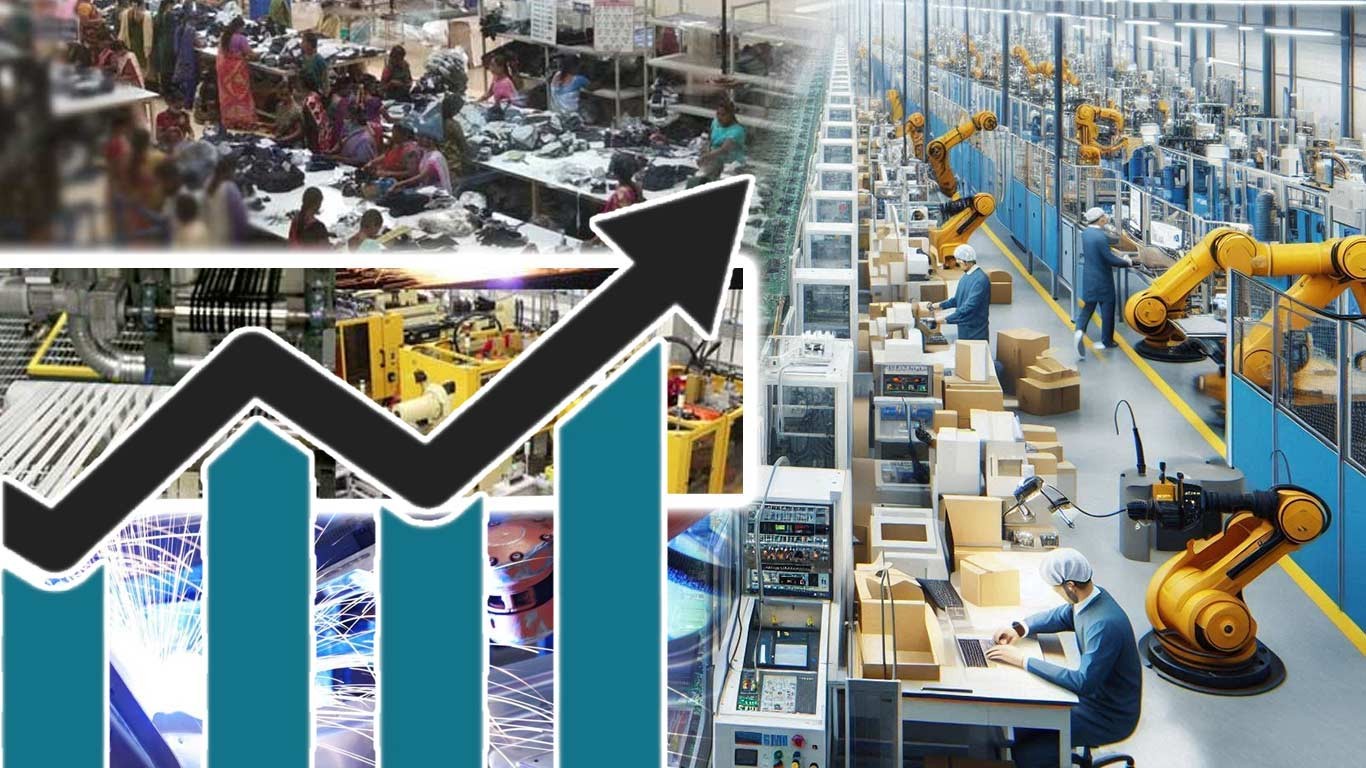
The Growth Trajectory
India’s industrialization began with a strong emphasis on public sector enterprises and heavy industries under a controlled regime often known as the “License Raj.” While this laid the foundation for core industries, it also limited efficiency and private participation.
The economic reforms of 1991 marked a decisive shift, opening up markets, reducing state control, and encouraging foreign investment. Since then, industries such as automobiles, pharmaceuticals, and engineering goods have expanded rapidly. More recently, policy initiatives aimed at boosting manufacturing and improving ease of doing business have added momentum. However, the industrial sector’s share in GDP remains moderate, suggesting that there is still considerable room for expansion.
Key Challenges
India’s industrial growth continues to be constrained by several structural issues.
- Infrastructure gaps: High logistics costs, uneven connectivity, and inconsistent power supply reduce efficiency and competitiveness.
- Regulatory complexity: Despite improvements, businesses often face procedural delays and compliance burdens that discourage investment.
- Skill mismatch: A large workforce exists, but many lack industry-relevant skills, limiting productivity and innovation.
- Financial constraints for MSMEs: Limited access to credit and delayed payments affect the growth of small and medium enterprises.
- Environmental concerns: Industrial expansion often creates pressure on natural resources, raising sustainability challenges.
These issues collectively slow down the pace at which India can industrialize and compete globally.
Emerging Opportunities
At the same time, India is uniquely positioned to capitalize on several emerging trends. Its demographic strength, combined with a growing domestic market, provides a strong base for industrial expansion. Global supply chains are undergoing restructuring, and India has the chance to position itself as an alternative manufacturing hub.
Key opportunities include:
- Demographic dividend: A young workforce can drive long-term industrial growth if properly skilled.
- Global supply chain shifts: Increasing diversification away from traditional manufacturing centers benefits India.
- Technological advancement: Adoption of automation, AI, and digital tools is enhancing efficiency.
- Green manufacturing: Transition to sustainable practices can open new investment avenues and global partnerships.
Additionally, sectors such as electronics, renewable energy, and defense manufacturing are witnessing rapid growth, indicating a shift toward high-value industries.
The Road Ahead
To unlock its full potential, India must adopt a balanced and forward-looking strategy. Infrastructure development remains critical, particularly in logistics and energy, to reduce operational costs. Regulatory reforms should continue, focusing on transparency and ease of compliance to attract both domestic and foreign investors.
Equally important is addressing the skill gap. Strengthening vocational education and aligning training programs with industry needs can significantly improve workforce readiness. MSMEs require targeted support through better credit access and integration into larger supply chains.
Sustainability must become central to industrial policy. Rather than viewing environmental protection as a constraint, it should be seen as an opportunity for innovation and long-term growth. Cleaner technologies and efficient resource use can enhance competitiveness in global markets.
Finally, a stronger focus on exports will be essential. By improving quality standards and leveraging trade opportunities, India can expand its presence in international markets and drive industrial growth.
Conclusion
Industrial growth in India is at a crucial juncture. While structural challenges persist, the opportunities presented by global economic shifts, technological progress, and domestic reforms are substantial. With strategic planning and consistent policy support, India has the potential to transform its industrial sector into a powerful engine of economic development.
The path forward requires not just growth, but sustainable and inclusive growth. If these priorities are balanced effectively, India can emerge as a leading industrial force in the years to come.
Note: Topic important for UPSC, HPAS, State PCS