
Literature and Arts forms from ancient times to 1947
Indian Literature and Art Forms: Ancient, Medieval & Modern
GS-1, Unit-1, Sub Unit-1, HPAS Mains
Indian literature and art form a continuous civilizational stream stretching from the hymns of the Vedas to the nationalist writings of the early 20th century. These traditions mirror the philosophical depth, social diversity, religious movements, and political transitions that shaped India. From ancient Sanskrit epics and cave paintings to Bhakti poetry, Mughal miniatures, and the cultural renaissance of modern India—each era enriched the creative spirit of the subcontinent. This blog traces India’s cultural evolution across ancient, medieval, and modern periods until 1947.
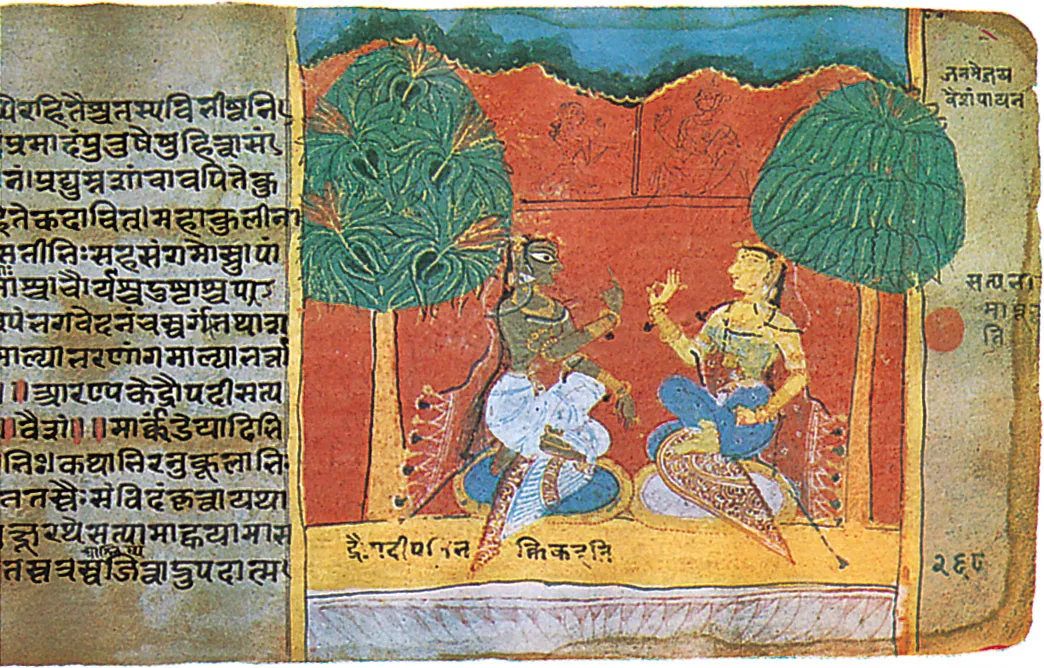
Ancient India: Foundations of Literature and Art
Literature
- Birth of Vedic literature (1500–500 BCE), comprising the Rigveda, Samaveda, Yajurveda, and Atharvaveda, offering hymns, rituals, and philosophical reflections.
- The Upanishads deepening spiritual thought by exploring concepts like Brahman, Atman, and the moral order.
- Emergence of the two great epics, the Ramayana and Mahabharata, which became cultural pillars influencing storytelling, theatre, ethics, and regional arts.
- Rise of Classical Sanskrit literature during the early historic period, with masterpieces by Kalidasa, whose poetry combined nature, love, and divine imagery.
- Growth of early scientific, grammatical, and philosophical texts, including Panini’s Ashtadhyayi, Kautilya’s Arthashastra, and ancient medical literature like Charaka Samhita.
Art & Architecture
- Artistic beginnings visible in the Indus Valley Civilization through seals, beads, pottery, and iconic artefacts such as the Dancing Girl bronze and Priest-King statue.
- Mauryan art showcasing polished stone architecture, Ashokan pillars, stupas like Sanchi, and rock-cut edicts spreading moral and administrative messages.
- Gupta period recognised as the Golden Age for refined temple architecture, carved stone panels, and literary brilliance.
- Exquisite Ajanta murals depicting Buddhist stories and court life.
- Development of early Nagara (North Indian) and Dravida (South Indian) architectural styles.
- Sculptural finesse in depictions of deities, celestial beings, and mythological narratives.
- Flourishing of early cave architecture at Ellora, Elephanta, and Udayagiri.
Medieval India: Regional Voices & Cultural Fusion
Literature
- A linguistic transition from Sanskrit dominance to the rise of regional languages such as Hindi, Tamil, Kannada, Bengali, Punjabi, Telugu, Marathi, and Malayalam.
- The Bhakti movement spreading devotional poetry rooted in personal spirituality and social equality:
- Key figures: Kabir, Tulsidas, Mirabai, Surdas, Namdev, Guru Nanak.
- Use of simple languages, powerful imagery, and emotional intensity.
- The influence of Sufi literature adding mystical, romantic, and humanistic themes to Indian poetry.
- Amir Khusrau, a pioneer of Indo-Persian literary tradition, contributed ghazals, riddles, and qawwalis.
- Growth of oral traditions—folk ballads, storyteller guilds, and devotional songs that travelled across villages, enriching local cultures.
- Composition of regional epics and narrative poems, such as Kamban’s Ramayana and Jnaneshwari in Marathi.
Art & Architecture
- Blend of Indian and Islamic artistic styles under the Delhi Sultanate and subsequently the Mughal Empire.
- Mughal artistic legacy:
- Timeless structures such as the Taj Mahal, Fatehpur Sikri, Red Fort, and Humayun’s Tomb.
- Flourishing of miniature painting in Mughal, Rajput, and Deccan courts.
- Innovations in gardens, calligraphy, manuscripts, and decorative arts.
- Regional artistic traditions:
- Chola bronzes representing the zenith of South Indian metal casting.
- Grand temple architecture of the Vijayanagara Empire at Hampi.
- Pahari, Rajasthani, and Mysore miniature painting schools.
- Flourishing of mural art in Kerala, frescoes in Rajasthan, and temple carvings in Odisha and Tamil Nadu.
- Development of performing arts—Bharatanatyam, Kathakali, Kathak, and various folk theatre forms like Yakshagana and Jatra.
Early Modern India: Reform, Nationalism & Cultural Renaissance
Literature
- Entry of printing technology, leading to newspapers, magazines, and a modern reading culture.
- Bengal Renaissance profoundly influencing literature and social thought:
- Bankim Chandra Chattopadhyay, whose writings stirred nationalist feelings.
- Rabindranath Tagore, Nobel laureate, revolutionising poetry, drama, and music with universal themes.
- Reformers like Ishwar Chandra Vidyasagar shaping education and social change through prose writing.
- Rise of modern regional literature:
- Premchand establishing Hindi-Urdu realism with tales of rural life and social injustice.
- Subramania Bharati introducing fiery patriotic and feminist themes in Tamil.
- Growth of modern works in Marathi, Malayalam, Kannada, Gujarati, Urdu, and Bengali.
- Expansion of literary criticism, historical writing, children’s literature, and women’s writing.
Art & Cultural Movements
- Raja Ravi Varma adopting European techniques while portraying Indian myths with realism.
- Nationalist art led by the Bengal School, under Abanindranath Tagore and Nandalal Bose, promoting indigenous styles.
- Revival of folk arts, handicrafts, and khadi aesthetics during the Swadeshi movement.
- Rejuvenation of classical dance and music, led by figures like Rukmini Devi Arundale (Bharatanatyam) and scholars of Hindustani and Carnatic music.
- Growth of theatre movements in Bengal, Maharashtra, and Madras, addressing social and political themes.
Towards 1947: Literature & Art as Instruments of Freedom
Literature
- Patriotic writings emerging as tools of resistance and mass awakening.
- Iconic compositions: Vande Mataram, Sare Jahan Se Accha, Jana Gana Mana.
- Essays, pamphlets, and fiction exposing colonial exploitation, promoting social reform, and inspiring national consciousness.
- Active involvement of writers in Swadeshi, Non-Cooperation, Civil Disobedience, and Quit India movements.
Art & Cultural Expression
- Posters, illustrations, folk theatre, street plays, and songs used for political mobilisation.
- Emphasis on traditional arts as symbols of cultural pride and resistance to colonial domination.
- Artists and performers promoting themes of freedom, unity, heritage, and self-respect.
- Art schools and cultural groups shaping a collective identity for the emerging nation.
Conclusion
From the spiritual hymns of the Vedic age to the powerful nationalist expressions of the 20th century, India’s artistic and literary journey reflects creativity, resilience, and cultural diversity. Each era—ancient, medieval, and modern—added its own colours, voices, and visions to the vast canvas of Indian civilization. The legacy built up to 1947 continues to shape the identity of contemporary India, reminding us that art and literature remain the soul of the nation.