
India’s Economic Paradox: Growth Amid Poverty and Inequality
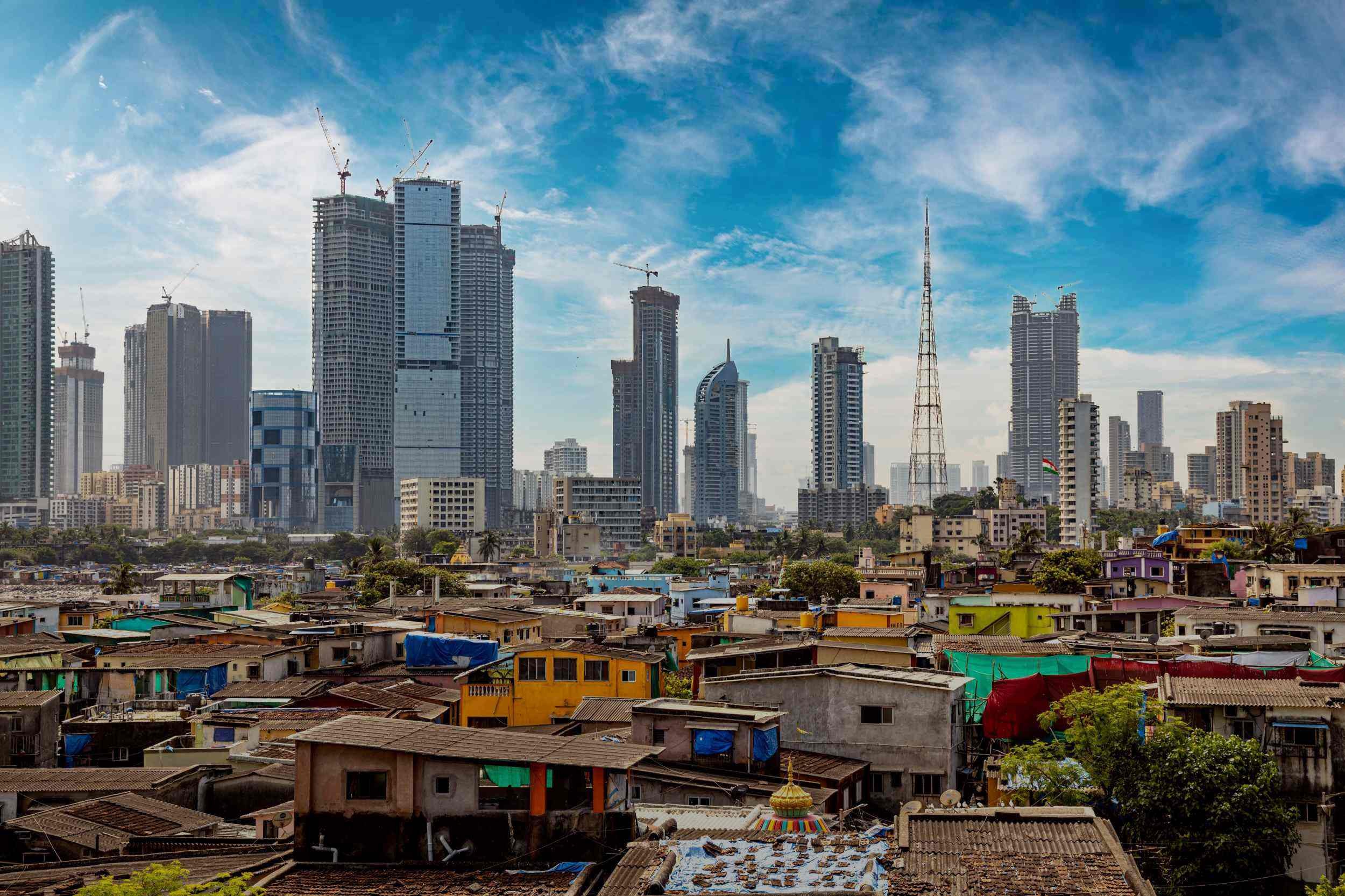
Over the past few decades, India has emerged as one of the fastest-growing major economies in the world. With rising GDP, expanding infrastructure, a booming digital economy, and increasing global influence, the country is often celebrated as a success story of economic transformation. Yet, beneath this impressive growth lies a persistent and uncomfortable reality—widespread poverty and deepening inequality. This contradiction forms what many scholars and policymakers call India’s economic paradox: rapid growth coexisting with significant socio-economic disparities.
The Story of Growth
India’s economic journey took a major turn after the 1991 economic reforms, which liberalized markets, reduced state control, and opened the economy to global trade and investment. Since then, sectors such as information technology, services, telecommunications, and finance have flourished. Cities like Bengaluru, Hyderabad, and Mumbai have become hubs of innovation and global business.
India has also made remarkable strides in reducing extreme poverty. According to global estimates, millions have been lifted above the poverty line, and access to basic services such as education, healthcare, and sanitation has improved. Government initiatives like financial inclusion, digital payments, and welfare schemes have contributed to this progress.
However, these achievements tell only part of the story.
The Persistence of Poverty
Despite economic growth, a large section of India’s population continues to live in poverty or just above it, vulnerable to economic shocks. Rural areas, in particular, face challenges such as low agricultural productivity, lack of infrastructure, and limited employment opportunities. Urban poverty, though less visible, is also significant, with millions living in informal settlements and working in insecure, low-paying jobs.
The COVID-19 pandemic further exposed these vulnerabilities, pushing many back into poverty and highlighting the fragile nature of economic gains. For many households, a single crisis—be it health-related, climatic, or financial—can undo years of progress.
Rising Inequality: A Growing Concern
One of the most striking aspects of India’s economic paradox is the widening gap between the rich and the poor. Wealth and income are increasingly concentrated in the hands of a small segment of the population. The top percentile has seen exponential growth in wealth, while the bottom segments struggle with stagnant incomes.
This inequality is not just economic but also social and regional. States with better infrastructure and governance tend to attract more investment and grow faster, while others lag behind. Similarly, access to quality education, healthcare, and employment opportunities often depends on one’s socio-economic background, reinforcing cycles of disadvantage.
Jobless Growth and Unemployment
A key factor contributing to both poverty and inequality is the issue of jobless growth. While the economy has expanded, it has not generated enough quality jobs to absorb the growing workforce. The informal sector continues to dominate employment, characterized by low wages, lack of job security, and minimal social protection.
Youth unemployment is particularly concerning. Each year, millions enter the labour market, but many struggle to find suitable employment. This mismatch between education, skills, and job opportunities further exacerbates inequality.
Inflation and the Cost of Living
Inflation adds another layer to this paradox. Rising prices, especially of essential goods like food and fuel, disproportionately affect lower-income households. While the wealthy may absorb price increases more easily, the poor often have to cut back on basic needs, worsening their living conditions.
Thus, even when incomes rise nominally, real purchasing power may not improve significantly for large sections of the population.
Why Does This Paradox Exist?
Several structural factors explain why economic growth has not translated into equitable development:
- Uneven distribution of growth benefits: Growth is concentrated in certain sectors and regions.
- Lack of quality education and skills: Many workers are unable to participate in high-productivity sectors.
- Weak social safety nets: Although improving, welfare systems still have gaps in coverage and efficiency.
- Dependence on informal employment: A large informal sector limits income stability and upward mobility.
The Way Forward: Towards Inclusive Growth
Addressing this paradox requires a shift from mere economic growth to inclusive and equitable development. Some key policy priorities include:
- Job creation: Promoting labour-intensive industries and supporting small and medium enterprises.
- Investment in education and healthcare: Ensuring access to quality services for all.
- Strengthening social protection: Expanding safety nets to protect vulnerable populations.
- Reducing regional disparities: Encouraging balanced development across states.
- Controlling inflation: Ensuring price stability, especially for essential goods.
Conclusion
India stands at a critical juncture. Its economic achievements are undeniable, but the persistence of poverty and inequality raises important questions about the nature of its growth. The challenge is not just to grow faster, but to grow better—to ensure that the benefits of development reach every citizen.
Bridging the gap between prosperity and deprivation is not only a moral imperative but also essential for sustainable and stable growth. Only by addressing this paradox can India truly realize its potential as an inclusive and equitable global powerhouse.