
Rights of Differently-Abled Persons: Ensuring Dignity and Quality of Life
GS-1, Unit-3, Sub Unit-1, HPAS Mains
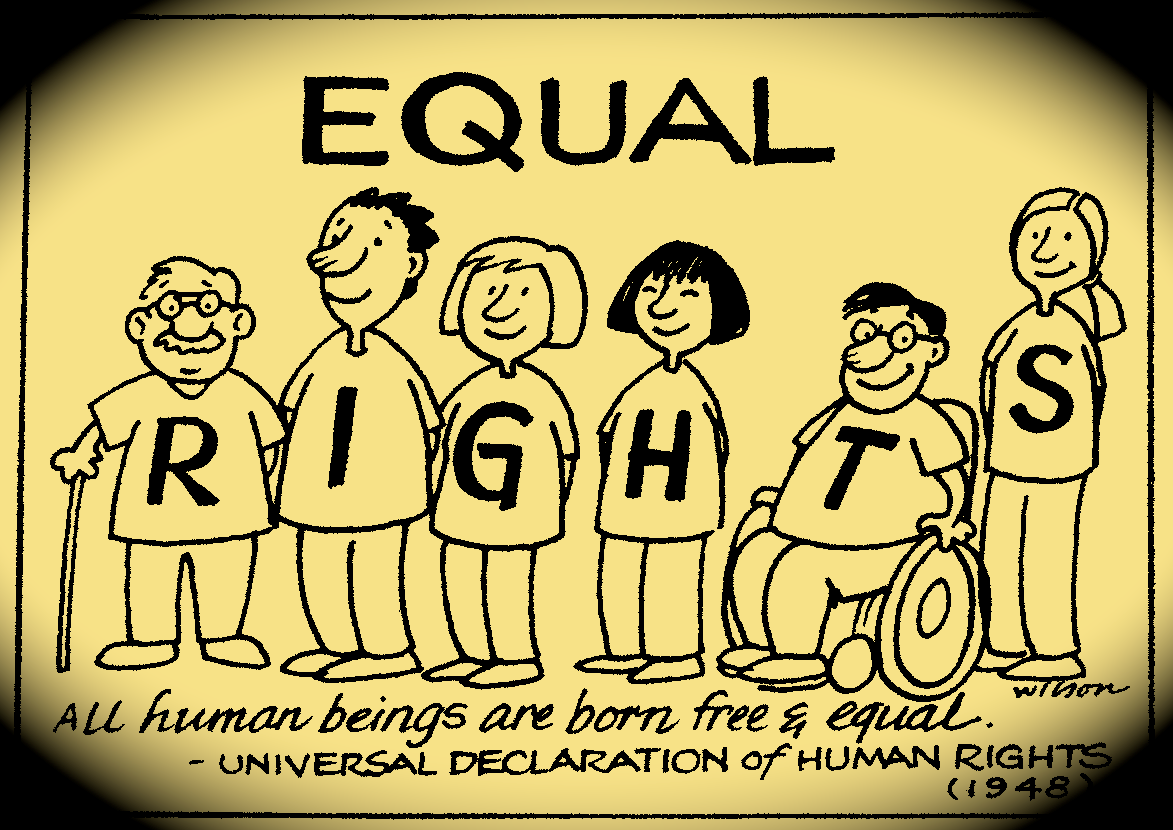
A society’s true progress is measured not by its economic growth alone, but by how it treats its most vulnerable members. Differently-abled persons—often referred to as persons with disabilities—constitute a significant section of the population, yet for centuries they have remained marginalized, misunderstood, and excluded from the mainstream. Ensuring their rights is not an act of charity or sympathy; it is a matter of justice, dignity, and human rights. The recognition and effective implementation of these rights play a decisive role in improving the quality of life of differently-abled persons and in building an inclusive society.
Understanding Disability Beyond Limitations
Disability is often narrowly viewed as a physical or mental limitation. However, modern thinking emphasizes the social model of disability, which argues that individuals are disabled not merely by impairments, but by societal barriers—such as inaccessible infrastructure, discriminatory attitudes, and lack of opportunities. A wheelchair user, for instance, is not disabled by their condition alone but by the absence of ramps, elevators, or inclusive transport systems. Therefore, guaranteeing rights means removing these barriers so that differently-abled persons can live independently and with dignity.
Rights as the Foundation of Dignity
Dignity lies at the heart of human existence. For differently-abled persons, dignity is closely linked to autonomy, respect, and equality. Fundamental rights such as the right to life, equality before law, freedom of expression, education, employment, and participation in public life are as relevant to them as to any other citizen. When these rights are denied or restricted, it results in dependence, exclusion, and loss of self-worth.
Internationally, the United Nations Convention on the Rights of Persons with Disabilities (UNCRPD) marked a paradigm shift by recognizing persons with disabilities as rights-holders rather than beneficiaries of welfare. It stresses equality, non-discrimination, accessibility, and full participation in society. In India, this spirit is reflected in the Rights of Persons with Disabilities Act, 2016, which expanded the recognized categories of disabilities and strengthened provisions related to education, employment, and social security.
Education: The Gateway to Empowerment
Education is one of the most powerful tools for enhancing the quality of life of differently-abled persons. Inclusive education systems that accommodate diverse needs enable children with disabilities to learn alongside their peers, fostering confidence and social integration. Access to education not only improves employment prospects but also helps individuals assert their rights and make informed choices about their lives.
Despite legal safeguards, many differently-abled children still face challenges such as lack of trained teachers, assistive technologies, and accessible school infrastructure. Addressing these gaps is crucial, as education lays the foundation for long-term empowerment and dignity.
Employment and Economic Independence
Economic independence is central to a dignified life. The right to work on an equal basis with others allows differently-abled persons to contribute productively to society and reduces dependency. Laws mandating reservation in employment, reasonable accommodation at workplaces, and non-discrimination are steps in the right direction.
However, societal attitudes often remain a bigger obstacle than physical impairments. Prejudices about productivity and efficiency limit opportunities for capable individuals. Sensitization of employers, skill development programs, and inclusive workplace policies are essential to translate legal rights into real economic empowerment.
Accessibility and Independent Living
Quality of life is deeply influenced by the ability to move freely and access public spaces, transport, information, and services. Accessibility is not a special privilege; it is a basic right. Barrier-free buildings, accessible public transport, sign language interpretation, and assistive technologies enable differently-abled persons to live independently and participate fully in social, cultural, and political life.
Independent living also involves the right to make personal choices—where to live, whom to associate with, and how to lead one’s life. Respecting these choices reinforces dignity and challenges the notion that differently-abled persons are incapable of self-determination.
Social Inclusion and Changing Mindsets
While laws and policies are important, genuine inclusion requires a change in societal mindset. Stigma, pity, and over-protection can be as disempowering as neglect. Differently-abled persons seek respect, not sympathy. Media representation, community engagement, and awareness campaigns play a vital role in reshaping public perceptions and celebrating diversity.
An inclusive society benefits everyone. Universal design, flexible work environments, and inclusive public spaces make life easier not only for persons with disabilities but also for the elderly, children, and others with temporary limitations.
Conclusion
Ensuring the rights of differently-abled persons is essential for upholding human dignity and improving quality of life. Rights transform lives by enabling access to education, employment, healthcare, and social participation. However, rights on paper must be supported by effective implementation, adequate resources, and a compassionate yet respectful societal attitude.
Ultimately, inclusion is not about doing something extra for a few; it is about creating a society where everyone belongs. When differently-abled persons can live with autonomy, respect, and opportunity, society as a whole move closer to the ideals of equality, justice, and humanity.
Note: Topic important for UPSC, HPAS, State PCS