
Smart Cities Mission in Himachal Pradesh: A Path to Modern and Sustainable Urban Development
GS-1, Unit-2, Sub Unit-3, HPAS Mains
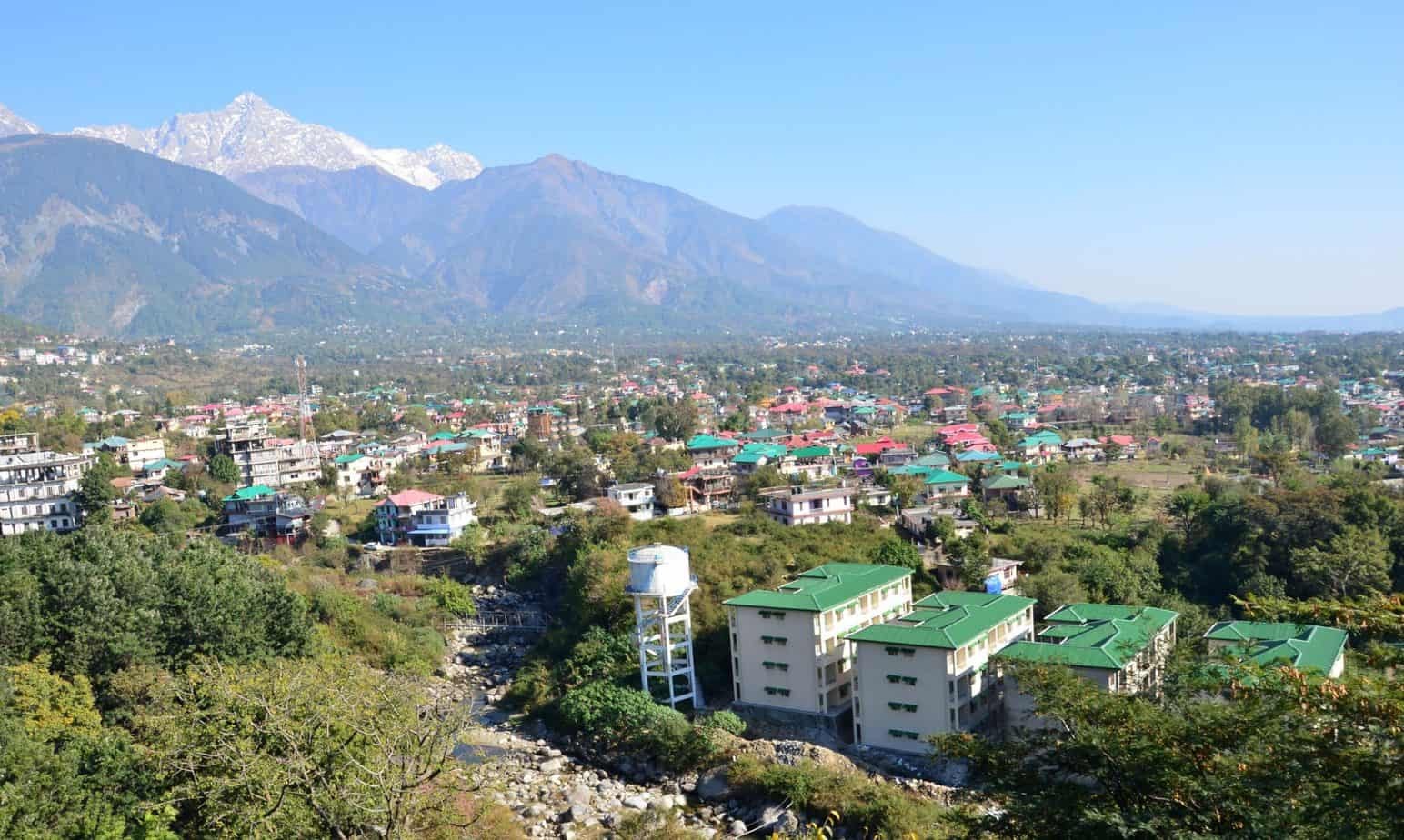
The Smart Cities Mission was launched on 25 June 2015 to improve the quality of life in 100 cities across India. It focuses on providing efficient urban services, modern infrastructure, and sustainable solutions while addressing key urban needs such as housing, transport, education, and healthcare. Himachal Pradesh, with its scenic landscapes, hilly terrain, and rapidly growing urban population, faces unique challenges in urban planning. While the state is known for its natural beauty, increasing tourism, migration, and development pressures have put stress on its cities. To address these issues and transform urban living, the Smart Cities Mission (SCM) has been implemented in select Himachal cities.
Objective of the Mission in Himachal Pradesh
The Smart Cities Mission aims to make urban areas more sustainable, efficient, and citizen-friendly, while preserving the natural environment that is the hallmark of the state. Key objectives include:
- Modern Urban Infrastructure: Enhancing roads, public transport, water supply, sewage, and waste management systems adapted to hilly terrains.
- Sustainable Development: Integrating renewable energy, energy-efficient street lighting, and eco-friendly construction practices.
- Digital Governance: Using technology for transparent administration, e-services, and real-time monitoring of city functions.
- Improved Quality of Life: Developing parks, community spaces, healthcare facilities, and promoting safe and walkable streets.
- Economic Development: Boosting tourism, small-scale industries, and entrepreneurial opportunities in urban centers.
Cities Selected under SCM
The Smart Cities Mission selected cities through a “Smart Cities Challenge”, where urban local bodies competed in a rigorous process of evaluation, planning, and scoring. Out of 100 shortlisted cities, Himachal Pradesh had Dharamshala and Shimla selected:
- Dharamshala: Secured its spot early, being fast-tracked in the first round on 27 August 2015.
- Shimla: Selected later in round three on 28 June 2017, reflecting the city’s planning readiness and potential.
Each city has unique plans based on local needs:
- Shimla: Focuses on smart traffic management, pedestrian-friendly zones, waste management, and heritage conservation.
- Dharamshala: Prioritizes tourism infrastructure, smart parking, public transport, and energy efficiency.
Key Features of the Mission in the State
- Area-Based Development: Revamping city centers and old urban areas with modern infrastructure while maintaining local character.
- Pan-City Initiatives: State-wide smart solutions like GIS-based monitoring, traffic management, and digital platforms for citizen services.
- Sustainable Practices: Promoting rainwater harvesting, solar energy, and green building codes in all projects.
- Citizen Participation: Residents are encouraged to participate in planning through public consultations, workshops, and online platforms.
- Use of Technology: Deployment of IoT sensors, smart streetlights, real-time water and energy monitoring, especially suitable for hilly terrains prone to natural challenges.
Achievements in Himachal Pradesh
- Smart Traffic Systems: Shimla and Dharamshala have introduced intelligent traffic lights and digital parking solutions to reduce congestion.
- Waste Management: Cities are implementing door-to-door garbage collection, segregation, and composting projects.
- Energy Efficiency: Solar-powered streetlights and energy-efficient public buildings have reduced electricity consumption.
- Tourism-Friendly Initiatives: Smart solutions improve navigation, safety, and information services for tourists in Dharamshala and Shimla.
Challenges in Himachal Pradesh
Despite progress, several challenges persist in implementing the Smart Cities Mission in Himachal Pradesh:
- Hilly and Fragile Terrain: Construction is costly and technically challenging; Shimla receives heavy rainfall, leading to landslides that complicate infrastructure projects.
- Limited Funding: Municipal budgets are constrained; making large-scale modernization difficult without central support.
- Capacity Issues: Local urban bodies often lack skilled manpower and technical expertise, affecting planning and project execution.
- Environmental Sensitivity: Cities are located in ecologically fragile zones; over-tourism in Dharamshala and Shimla has led to deforestation and water scarcity, requiring careful balancing of development and conservation.
- Citizen Awareness and Participation: In smaller towns, citizen engagement is low, which slows adoption of smart solutions like waste segregation and digital governance.
- Connectivity and Transport Limitations: Narrow hilly roads make traffic management, public transport expansion, and emergency services challenging.
- Integration with Legacy Infrastructure: Modernizing old water supply networks, sewage lines, and heritage structures while preserving cultural heritage is a continuous struggle.
- Climate Risks: Increasing unpredictable weather events, such as heavy snowfall or cloudbursts, can damage infrastructure and disrupt services.
Way Forward
To fully realize the Smart Cities vision in Himachal Pradesh:
- Strengthen capacity building for municipal authorities and staff.
- Enhance citizen participation through awareness campaigns and digital platforms.
- Promote eco-friendly tourism, renewable energy, and sustainable construction.
- Explore innovative financing models, including PPP, state funds, and CSR contributions.
- Ensure disaster resilience in urban planning to tackle landslides, water scarcity, and climate risks.
Conclusion
The Smart Cities Mission in Himachal Pradesh is a transformative initiative blending modern urban development with environmental sustainability. By leveraging technology, citizen participation, and innovative planning, the mission aims to create cities that are efficient, livable, and resilient, while preserving the state’s unique natural and cultural identity. With cities like Dharamshala and Shimla leading the way, the mission is expected to enhance urban living standards, improve economic opportunities, and serve as a model for sustainable development in hilly regions.