
From Relief to Resilience: Social and Environmental Dimensions of Disasters
GS-1, Unit-2, Sub Unit-1, HPAS Mains
Disasters—whether natural or human-induced—are no longer viewed merely as sudden events causing immediate loss of life and property. They are now recognized as complex phenomena with deep social and environmental dimensions. The focus has gradually shifted from short-term relief-centric approaches to long-term resilience-building strategies, emphasizing sustainable development, social equity, and environmental protection.
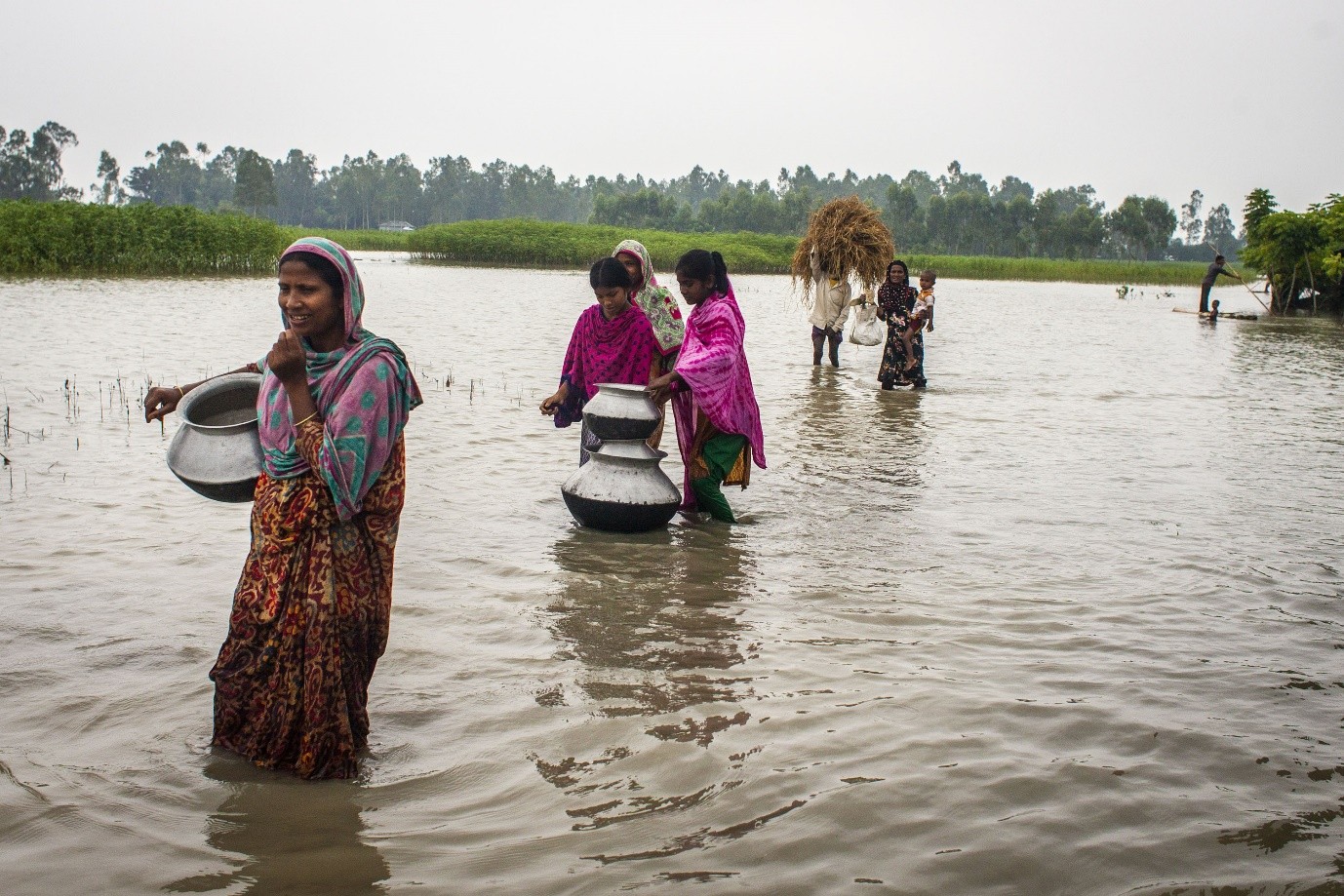
Understanding Disasters Beyond Immediate Impact
Traditionally, disaster management revolved around emergency response—rescue, relief camps, and rehabilitation. However, disasters such as floods, cyclones, earthquakes, droughts, industrial accidents, and pandemics reveal that their impacts persist long after the event. Disasters disrupt social structures, intensify existing inequalities, and cause irreversible environmental damage. Therefore, understanding disasters requires examining both social vulnerability and environmental fragility.
Social Dimensions of Disasters:
The social impacts of disasters are often uneven and disproportionately affect marginalized and vulnerable groups such as the poor, women, children, elderly, persons with disabilities, and indigenous communities.
- Loss of Lives and Livelihoods
Disasters destroy livelihoods dependent on agriculture, fisheries, forests, and informal sectors. Floods and droughts directly impact farmers and landless labourers, leading to unemployment, indebtedness, and food insecurity. - Displacement and Migration
Large-scale disasters result in internal displacement and forced migration. Recurrent disasters in coastal and flood-prone regions lead to climate-induced migration, placing pressure on urban infrastructure and social services. - Social Inequality and Exclusion
Pre-existing inequalities are magnified during disasters. Those with fewer resources often live in hazard-prone areas, lack access to early warning systems, and recover more slowly. Gender disparities are also evident, as women face increased care burdens and safety concerns in post-disaster situations. - Impact on Health and Education
Disasters disrupt healthcare systems, increase disease outbreaks, and cause psychological trauma. Schools are damaged or converted into relief camps, affecting education and long-term human capital formation.
Environmental Dimensions of Disasters:
The relationship between disasters and the environment is bidirectional—environmental degradation increases disaster risk, while disasters further degrade the environment.
- Environmental Degradation as a Cause of Disasters
Deforestation, wetland destruction, unplanned urbanization, mining, and encroachment of floodplains reduce the natural capacity of ecosystems to absorb shocks. Landslides in fragile mountain regions often result from ecological imbalance and infrastructure pressure. - Environmental Impacts of Disasters
Disasters damage ecosystems through soil erosion, salinization of agricultural land, destruction of coral reefs, and contamination of water bodies. Industrial disasters cause long-term ecological damage, affecting biodiversity and ecosystem services. - Climate Change and Disaster Intensification
Climate change has increased the frequency and intensity of extreme weather events such as cyclones, heatwaves, floods, and droughts, posing serious challenges to environmental sustainability.
From Relief to Resilience: The Paradigm Shift
Recognizing these interconnected impacts, disaster management has evolved from a reactive relief-based model to a proactive resilience-based approach.
- Disaster Risk Reduction (DRR)
Strengthening early warning systems, hazard mapping, and preparedness reduces disaster-related losses. - Building Social Resilience
Empowering communities through awareness, inclusive governance, social safety nets, and livelihood diversification enhances coping capacity during disasters. - Environmental Resilience and Ecosystem-Based Approaches
Protecting mangroves, forests, wetlands, and coastal ecosystems acts as a natural defense against disasters and supports sustainable recovery. - Mainstreaming Disaster Management into Development
Integrating disaster risk concerns into development planning through resilient infrastructure and sustainable urban planning is essential.
Conclusion
Disasters are not isolated events but reflections of deeper social vulnerabilities and environmental mismanagement. Moving from relief to resilience demands a holistic approach that addresses root causes rather than symptoms. Strengthening social equity, protecting the environment, and aligning disaster management with sustainable development are essential for building resilient societies.