
GS-1, Unit-2, Sub Unit-3, HPAS Mains
Himachal Panchayats Grapple with a Mounting Menace: Solid Waste Management
Himachal Pradesh, the “Devbhoomi” (Land of Gods), is renowned for its pristine beauty and serene landscapes. Yet, beneath this picturesque veneer, a significant environmental challenge is escalating: solid waste management in its rural areas, particularly within the jurisdiction of its Panchayats. With increasing population, tourism, and changing consumption patterns, traditional waste disposal methods are proving woefully inadequate, threatening the ecological balance and public health of the state.
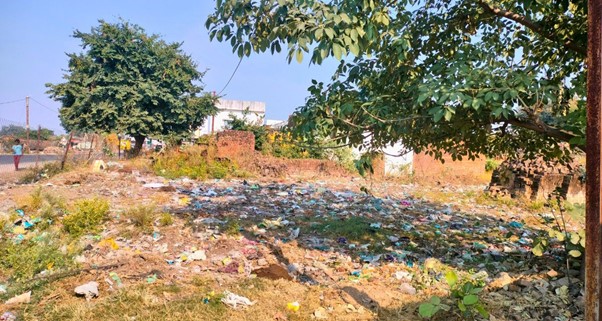
The Heap of Challenges
Himachal’s Panchayats face a unique set of hurdles in managing solid waste:
- Geographical Adversities: The mountainous terrain makes door-to-door waste collection and transportation to centralized processing units difficult and expensive. Remote villages often lack proper road connectivity.
- Lack of Segregation at Source: A fundamental challenge is the absence of effective waste segregation at the household level. Mixed waste makes processing and recycling extremely difficult.
- Limited Infrastructure: Many Panchayats lack necessary facilities like segregation sheds, material recovery facilities (MRFs), and processing units.
- Financial Constraints: Panchayats often struggle with limited funds for setting up and operating waste management systems. User charges can be difficult to implement and collect consistently.
- Awareness and Behavioural Gaps: A significant portion of the population still lacks a complete understanding of proper waste disposal, leading to open dumping and burning.
- Tourism Impact: Himachal’s booming tourism industry exacerbates the waste problem, particularly with non-biodegradable items like plastic bottles and packaging.
Central and State Government Initiatives: A Step in the Right Direction
Both the Central and State governments have recognized the gravity of the situation and have rolled out several initiatives.
Central Government Initiatives:
- Swachh Bharat Mission (Grameen) – SBM (G): This flagship program promotes scientific solid and liquid waste management in rural areas, providing financial assistance and technical guidance.
- Solid Waste Management Rules, 2016: These rules provide a legal framework, emphasizing source segregation, collection, processing, and scientific disposal.
- GOBAR-Dhan Scheme: This scheme promotes the conversion of organic farm waste and cattle dung into biogas and organic compost.
Himachal Pradesh Government Initiatives:
- Policy for Solid Waste Management Facilities in Rural Areas, 2024: This policy aims to establish systematic, sustainable, and legally enforceable SWM, strengthening institutional mechanisms and emphasizing financial sustainability through sanitation fees.
- Model Bye-Laws for Solid Waste Management and Sanitation – 2025: Mandated for adoption by Gram Panchayats, these bye-laws focus on source segregation, user charges, and penalties.
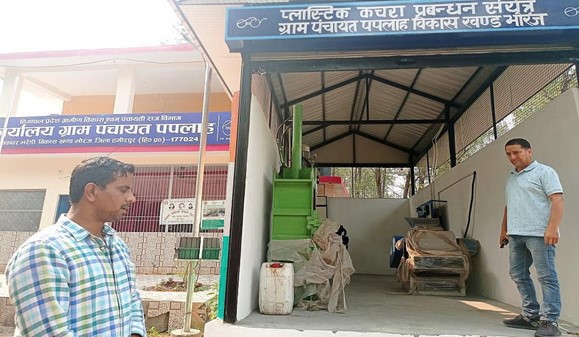
- Establishment of Plastic Waste Management Units (PWMUs): The policy aims to establish one PWMU per block, facilitating the processing of plastic waste.
- Agreements with Cement Plants: Formal agreements have been signed for co-processing non-recyclable waste in cement plants.
Paving the Path Forward: Solutions and Examples
Effective solid waste management in Himachal requires a multi-pronged approach, combining strong policy implementation with community participation and innovative solutions.
- Strengthening Source Segregation:
- Implement rigorous door-to-door collection with separate bins.
- Example: The Pappla Gram Panchayat in Hamirpur successfully implemented segregated waste collection by engaging community groups.
- Decentralized Processing and Resource Recovery:
- Focus on decentralized units to minimize transportation costs.
- Example: Promoting household and community composting pits for biodegradable waste. Block-level Plastic Waste Management Units (PWMUs) can shred and bale plastic waste for recycling or co-processing.
- Financial Sustainability and User Charges:
- Strictly enforce the collection of mandatory sanitation fees from households and commercial establishments.
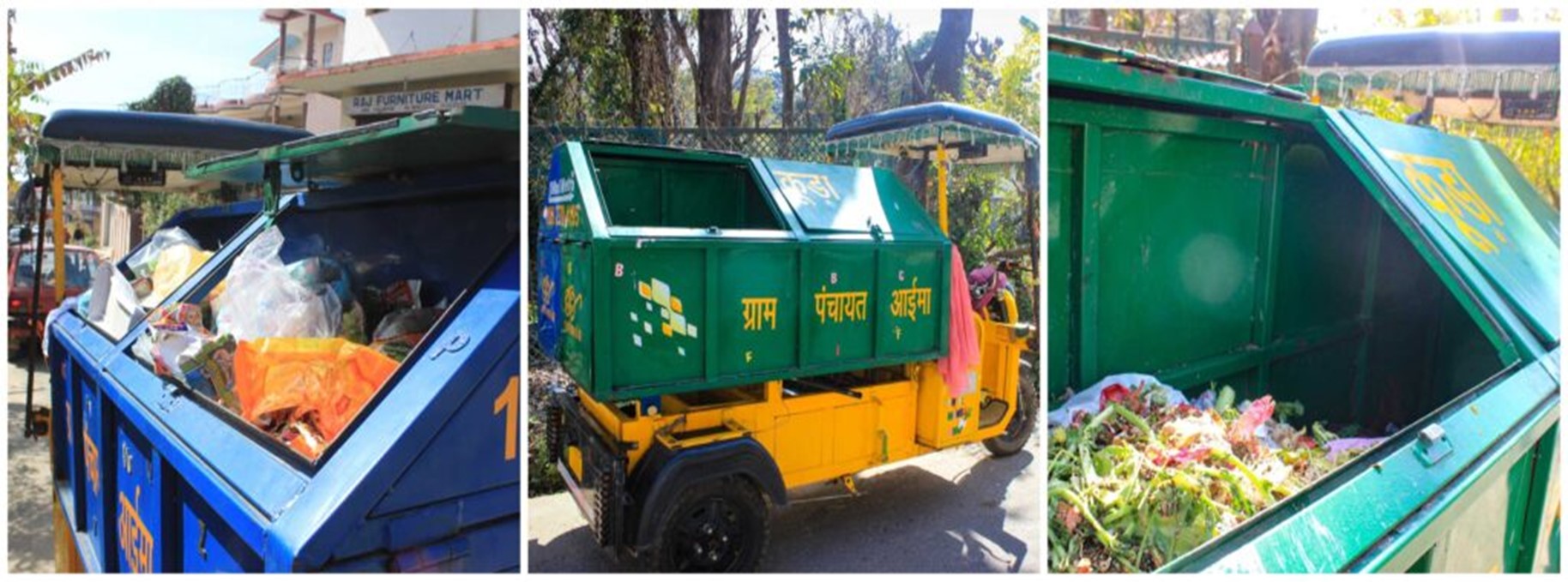
- Example: The Aima Panchayat charged fees from hotels, shops, and households to support their waste management operations.
- Community Engagement and Empowerment:
- Form “Swachhta Samitis” (Cleanliness Committees) at the Panchayat level, involving local residents.
- Example: Waste Warriors, an NGO, partnered with several Panchayats in Dharamshala, establishing Swachhta Samitis, leading to increased segregated waste collection.
The challenge of solid waste management in Himachal Panchayats is significant, but with sustained efforts from the government, active participation from communities, and the adoption of innovative, localized solutions, the “Devbhoomi” can truly live up to its name, ensuring a clean and healthy environment for future generations.