
The Hidden Cost of Development: Ecological Fragility in Himachal Pradesh
GS-1, Unit-2, Sub Unit-3, HPAS Mains
Himachal Pradesh, long known for its serene mountains, lush forests, and pristine rivers, is today facing an unprecedented ecological crisis. While development has brought roads, tourism, hydropower, and urban expansion, it has also exposed the fragile Himalayan ecosystem to escalating threats. The state now witnesses frequent landslides, flash floods, cloudbursts, and soil instability—events that were once rare but are now alarmingly common.
The hidden cost behind this development is the ecological fragility of the Himalayas, a factor often neglected in the race for progress.
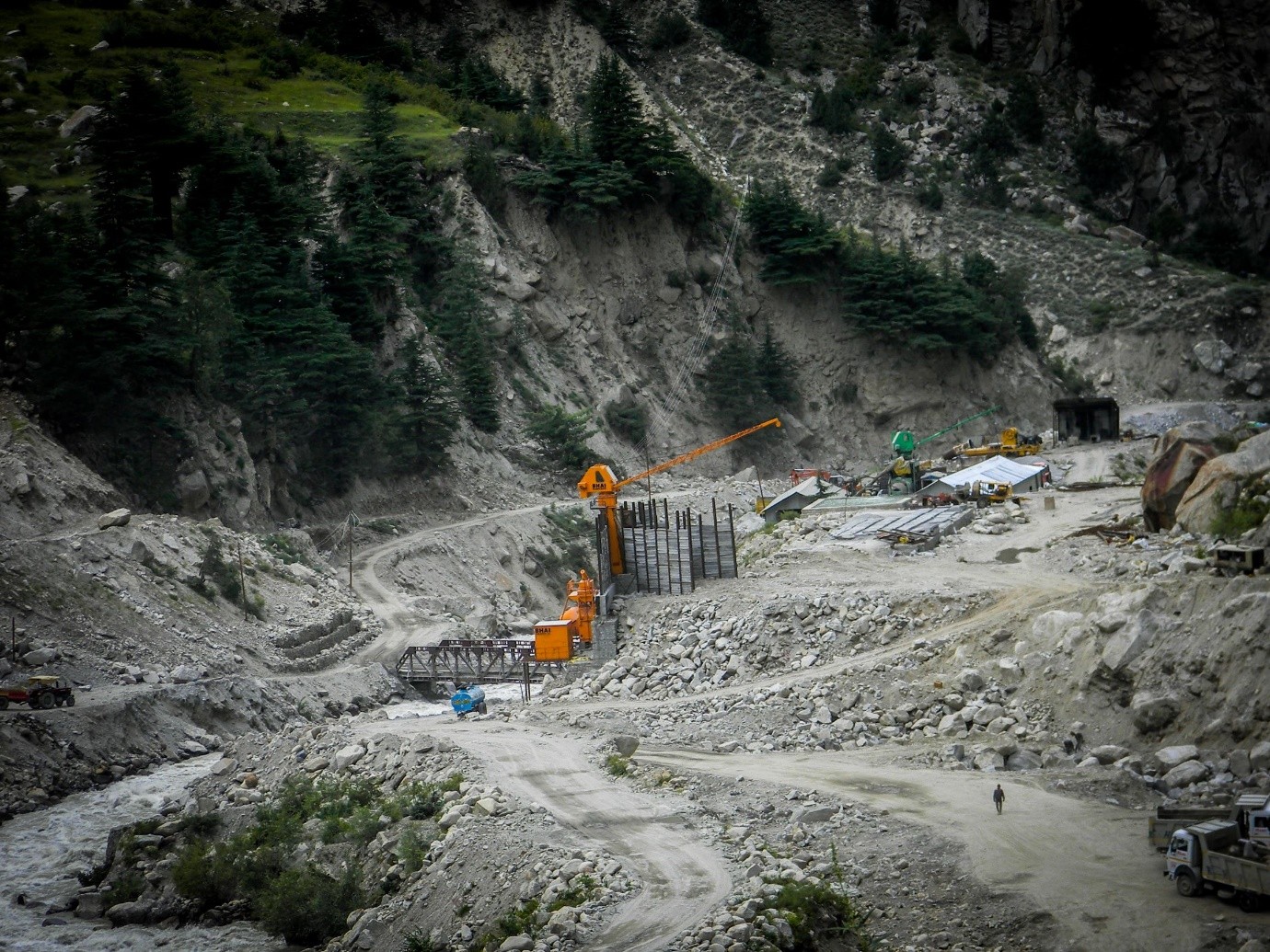
The Fragile Himalayan Foundation
The Himalayas are young fold mountains, geologically unstable and constantly evolving. Their rocks are loosely compacted, making them naturally vulnerable to landslides and erosion. In such a landscape, heavy construction and large-scale human interventions easily disrupt natural stability.
While development is necessary, ignoring the inherent fragility of this region amplifies risks. Even minor changes in topography—such as slope cutting for roads or river tampering for hydropower—can trigger chain reactions of environmental degradation.
Unplanned Urban Expansion
Himachal’s towns like Shimla, Manali, Dharamshala, and Mandi have expanded rapidly due to tourism and population pressure. However, this growth has often happened without scientific planning.
Key issues include:
- Slope destabilization due to multi-storeyed buildings
- Construction on landslide-prone zones
- Illegal encroachments on riverbanks and forests
- Depletion of groundwater due to unchecked borewells
Urban centres that once supported a few thousand now host lakhs of tourists annually, stretching ecological limits far beyond capacity.
Road Widening and Infrastructure Projects
Himachal’s ambitious all-weather road expansion projects aim to improve connectivity, but they come with serious consequences:
- Slope cutting up to 80–90 degrees weaken the mountain base
- Blasting for tunnels and highways destabilizes rock structures
- Loose debris dumping blocks natural drainage channels
- Loss of tree cover reduces soil binding and increases landslide risk
This is why major highway routes—Shimla–Kalka, Dharamshala–Pathankot, and Kullu–Manali—see repeated landslides, traffic blockages, and road collapses every monsoon.
Hydropower Projects and River Disturbance
Himachal’s rivers—Beas, Sutlej, Ravi, and Chenab—serve as the backbone of the state’s hydropower potential. While hydropower is a clean source of energy, its ecological footprint is far from harmless.
Problems linked to hydropower development:
- Tunnel construction weakens mountain strata
- Deforestation for dam reservoirs affects biodiversity
- Altered river flow increases flood risk downstream
- Silt accumulation destabilizes river ecology
- Riverbank erosion threatens nearby settlements
During extreme rainfall events, dam discharges have worsened flooding in valleys like Kullu, Mandi, and Kinnaur.
Tourism Pressure and Waste Crisis
Tourism is Himachal’s lifeline, but unregulated tourism has created severe environmental strain.
Tourism-linked challenges:
- Massive waste generation in hill stations
- Plastic pollution in rivers and trekking routes
- Traffic congestion causing air pollution
- Overcrowding on fragile slopes
- Uncontrolled construction of hotels and homestays
The natural charm that draws tourists is slowly being eroded by the very industry that depends on it.
Climate Change Intensifying Disasters
Even as human activities weaken ecological balance, climate change acts as a force multiplier. Himachal is now experiencing:
- Heavier and more erratic rainfall
- Increase in cloudbursts
- Rapid glacier retreat
- Frequent flash floods
- Snowfall decline affecting water availability
The devastating floods and landslides of 2023–24 were a stark reminder of how fragile the region has become.
What Needs to Change?
To protect Himachal’s future, development must shift towards sustainable and eco-sensitive planning.
Priority actions:
- Strict land-use regulation to prevent construction in high-risk zones
- Scientific slope stabilization during road projects
- Eco-friendly tourism policies and carrying capacity limits
- Strengthening disaster prediction and early-warning systems
- Promoting traditional Himalayan architecture (Kath-Kuni)
- Comprehensive river management plans
- Community-based conservation & afforestation
Balancing development with ecology is not optional—it is necessary for survival.
Conclusion
Himachal Pradesh stands at a critical crossroads. Development has brought prosperity, but its hidden cost is becoming dangerously visible. The mountains are sending repeated warnings in the form of disasters, erosion, and ecological decline.
For Himachal to thrive, development must be sensitive, sustainable, and rooted in environmental wisdom. Only then can the hills retain their natural beauty and continue supporting life for generations to come.