
Urbanisation in Himachal Pradesh: Trends, Opportunities, and Challenges
GS-1, Unit-2, Sub Unit-3, HPAS Mains
Himachal Pradesh, known for its pristine landscapes and hilly terrains, is witnessing gradual but steady urbanisation. While the state’s economy has traditionally been driven by agriculture, horticulture, and tourism, improved infrastructure, growing service sectors, and government initiatives are reshaping its urban profile.
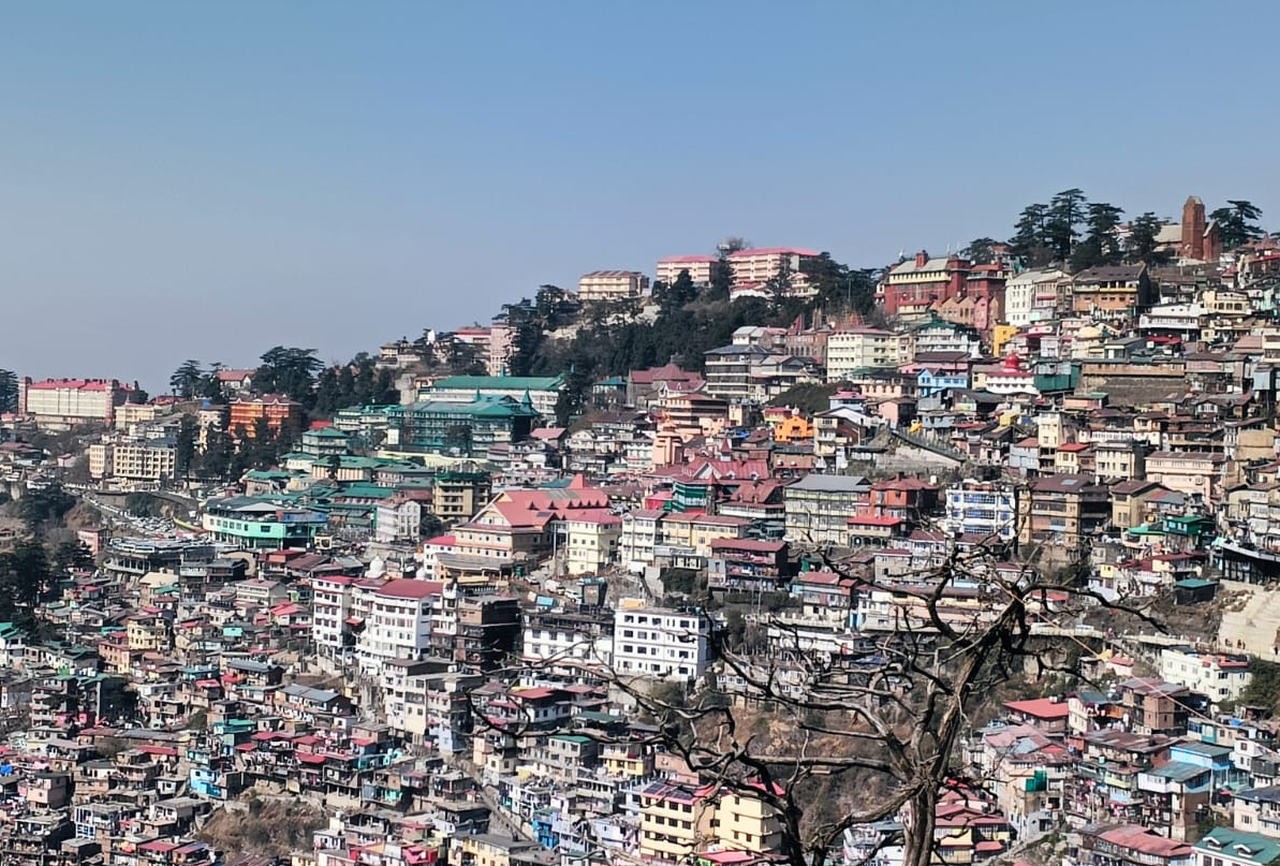
Urbanisation Pattern in Himachal Pradesh
- Low Urbanisation Level – Only about 10% of the population lives in urban areas, among the lowest in India.
- Small Hill-Town Dominance – Growth concentrated in administrative, tourism, and industrial towns rather than large metros.
- Regional Concentration – Higher urbanisation in Solan, Shimla, Kangra, and Sirmaur; minimal in tribal districts.
- Function-Driven Development – Administrative hubs (Shimla, Dharamshala), tourism hubs (Manali, Dalhousie), and industrial hubs (Baddi, Parwanoo).
- Geography-Restricted Expansion – Hilly terrain leads to dense, vertical, and ribbon-type settlements along roads.
Current Status of Urbanisation
- Urban Population Share: As per Census 2011, around 10% of HP’s population lives in urban areas — among the lowest in India.
- Major Cities/Towns:
- Shimla – Capital city, administrative and educational hub.
- Dharamshala – Winter capital, tourism, and cultural centre.
- Solan – Emerging industrial town.
- Mandi – Gateway to Kullu-Manali, administrative hub.
- Baddi – Major industrial township.
- Hamirpur – Education hub (NIT, other institutions).
Urban growth is still modest compared to the plains, but industrial clusters like Baddi-Barotiwala-Nalagarh have accelerated migration and town expansion.
Major Government Initiatives to Promote Urbanisation
- Atal Mission for Rejuvenation and Urban Transformation (AMRUT): Focus on water supply, sewerage, and urban greenery.
- Smart City Mission: Shimla and Dharamshala selected for smart infrastructure, e-governance, and improved public transport.
- Pradhan Mantri Awas Yojana (PMAY-Urban): Affordable housing for urban poor.
- State Urban Development Policy (2017): Promotes planned growth, solid waste management, and heritage conservation.
- Industrial Areas Development: Special focus on Baddi, Paonta Sahib, and Parwanoo to promote manufacturing-led urbanisation.
- Tourism Infrastructure Development: Urban facilities upgraded in tourist towns for better visitor management.
Opportunities Urbanisation Provides in HP
- Economic Diversification: Expands beyond agriculture to tourism, manufacturing, education, and services.
- Employment Generation: In construction, hospitality, retail, and transport sectors.
- Infrastructure Development: Better roads, public transport, digital networks, and healthcare facilities.
- Educational Growth: Concentration of universities and training centres in urban hubs.
- Tourism Boost: Improved amenities make towns more attractive to domestic and international visitors.
- Cultural Exchange: Interaction between locals and migrants enriches social diversity.
Challenges Associated with Urbanisation in HP
- Geographical Constraints: Hilly terrain limits horizontal expansion, causing unplanned vertical growth and slope instability.
- Environmental Degradation: Deforestation, water scarcity, and waste mismanagement in towns.
- Traffic Congestion: Narrow roads and increasing vehicle ownership cause frequent jams in cities like Shimla and Manali.
- Tourism Pressure: Seasonal influx strains resources and infrastructure.
- Risk of Natural Disasters: Urban settlements are vulnerable to landslides, flash floods, and earthquakes.
- Unplanned Settlements: Encroachment on forest land and lack of proper drainage in expanding suburbs.
Way Forward
- Planned Urban Growth: Strict enforcement of building codes and land-use zoning to prevent slope destabilisation.
- Eco-Friendly Infrastructure: Promote green buildings, rainwater harvesting, and solar energy in urban projects.
- Public Transport Expansion: Ropeways, electric buses, and improved parking to reduce congestion.
- Waste Management: Decentralised composting and recycling plants in every municipality.
- Balanced Development: Focus on small towns and peri-urban areas to reduce pressure on major cities.
- Disaster-Resilient Urban Planning: Incorporate hazard mapping and early warning systems in city planning.
- Community Participation: Involving citizens in heritage conservation and environmental monitoring.
Conclusion:
Urbanisation in Himachal Pradesh is a double-edged sword — it offers economic and social opportunities but also poses environmental and infrastructural challenges in the fragile Himalayan ecosystem. By adopting a balanced, eco-sensitive, and planned approach, the state can harness urbanisation as a driver of sustainable growth without compromising its ecological wealth.
Join Nimbus Academy for IAS in Chandigarh.