
"

Welfare of Children in India

GS-2, Unit-2, Sub Unit-2, HPAS Mains

Children are the cornerstone of any nation, representing its future potential and progress. In India, with over 40% of its population below 18 years, ensuring the welfare of children is not just a moral imperative but also a strategic necessity. The welfare of children encompasses their health, nutrition, education, protection, and overall development. Despite significant progress in recent decades, challenges remain that require sustained efforts from the government, civil society, and communities.
Welfare of Children in India
GS-2, Unit-2, Sub Unit-2, HPAS Mains
Children are the cornerstone of any nation, representing its future potential and progress. In India, with over 40% of its population below 18 years, ensuring the welfare of children is not just a moral imperative but also a strategic necessity. The welfare of children encompasses their health, nutrition, education, protection, and overall development. Despite significant progress in recent decades, challenges remain that require sustained efforts from the government, civil society, and communities.Current Status
•	Child Malnutrition: India has the highest child wasting rate globally at 18.7%. Additionally, 35.5% of children under five are stunted, indicating chronic undernutrition
•	School Dropout Rates: The average dropout rate for girls in primary school is 1.4%, compared to 1.6% for boys. In secondary school, the dropout rate for girls is 12.3%, while it is 13% for boys.
•	Child Labor: In 2023, India made moderate advancement in efforts to eliminate the worst forms of child labour. The government extended its Fast Track Special Courts, which expedite the trial process for sexual offense cases, including the commercial sexual exploitation of children.
•	Child Protection: India has a wide range of laws to protect children, including the Protection of Children from Sexual Offences (POCSO) Act and the Juvenile Justice (Care and Protection of Children) Act. However, challenges remain in implementing these laws effectively due to inadequate human resource capacity on the ground and quality prevention and rehabilitation services.
•	Early Childhood Care and Development: The government has launched initiatives to upgrade Anganwadi centres to enhance early childhood care and development. For instance, in Odisha, all 74,224 Anganwadi centres are being transformed into 'Saksham Anganwadi' centres to bolster early childhood care and development.Health and Nutrition
•	Malnutrition affects the physical and cognitive development of children; nearly 35% of children under five are underweight.
•	Integrated Child Development Services (ICDS) provides supplementary nutrition, immunization, and health check-ups.
•	National Health Mission (NHM) and Janani Suraksha Yojana (JSY) improve maternal and child health, reducing infant and maternal mortality rates.
•	Micronutrient supplementation and vaccination drives prevent diseases like polio, measles, and anaemia.
Education
•	The Right to Education (RTE) Act, 2009 guarantees free and compulsory education for children aged 6–14 years.
•	Mid-Day Meal Scheme encourages school attendance and addresses hunger.
•	Efforts are being made to improve the quality of education, digital learning access, and school infrastructure.
•	Focus is given to children from marginalized communities, ensuring inclusivity and gender equity.
Protection and Rights
•	Laws safeguarding children include:
o	Juvenile Justice (Care and Protection of Children) Act, 2015
o	Protection of Children from Sexual Offences (POCSO) Act, 2012
o	Child Labour (Prohibition and Regulation) Amendment Act, 2016
•	Children are protected from trafficking, child labour, early marriage, and sexual abuse.
•	Child Welfare Committees (CWC) and Juvenile Justice Boards (JJB) ensure rehabilitation and protection of vulnerable children.
Early Childhood Care and Development
•	Anganwadi Centres provide early education, health monitoring, and nutrition for children under six.
•	National Early Childhood Care and Education (ECCE) Policy focuses on holistic development, preparing children for formal schooling.
Children with Special Needs
•	Programs like Rashtriya Bal Swasthya Karyakram (RBSK) screen children for congenital disabilities and developmental delays.
•	Accessible education, skill training, and social support ensure equal opportunities for children with disabilities.
Role of NGOs and Civil Society
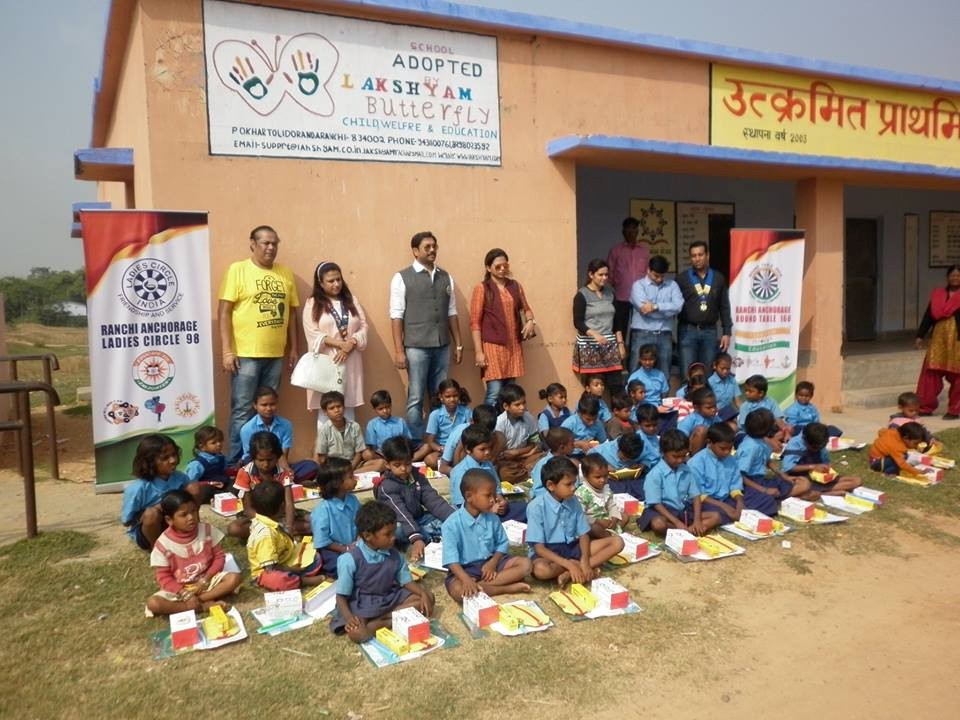
•	NGOs play a significant role in areas where government reach is limited.
•	They contribute through:
o	Advocacy for child rights
o	Education and health services
o	Rehabilitation programs for street children, orphans, and children affected by disasters
Challenges
•	Persistent malnutrition and health inequities in rural and marginalized communities.
•	High school dropout rates, especially among girls and economically disadvantaged children.
•	Child labour, trafficking, and abuse continue in some regions.
•	Limited access to quality education and healthcare in remote areas.
•	Societal attitudes and lack of awareness about child rights in certain communities.
Way Forward
•	Strengthen implementation of existing policies and monitoring mechanisms.
•	Increase budget allocation for child health, nutrition, and education programs.
•	Expand access to early childhood care, nutrition, and healthcare services.
•	Promote inclusive education and opportunities for children with disabilities.
•	Encourage collaboration between government, NGOs, and local communities for sustainable child welfare initiatives.
Conclusion
•	The welfare of children in India requires coordinated action from the government, civil society, and families.
•	Protecting, nurturing, and empowering children ensures a healthy, educated, and skilled generation for the nation’s progress.
•	Continued reforms, societal support, and proactive initiatives can secure a brighter future for every child in India.

Current Status

  • Child Malnutrition: India has the highest child wasting rate globally at 18.7%. Additionally, 35.5% of children under five are stunted, indicating chronic undernutrition
  • School Dropout Rates: The average dropout rate for girls in primary school is 1.4%, compared to 1.6% for boys. In secondary school, the dropout rate for girls is 12.3%, while it is 13% for boys.
  • Child Labor: In 2023, India made moderate advancement in efforts to eliminate the worst forms of child labour. The government extended its Fast Track Special Courts, which expedite the trial process for sexual offense cases, including the commercial sexual exploitation of children.
  • Child Protection: India has a wide range of laws to protect children, including the Protection of Children from Sexual Offences (POCSO) Act and the Juvenile Justice (Care and Protection of Children) Act. However, challenges remain in implementing these laws effectively due to inadequate human resource capacity on the ground and quality prevention and rehabilitation services.
  • Early Childhood Care and Development: The government has launched initiatives to upgrade Anganwadi centres to enhance early childhood care and development. For instance, in Odisha, all 74,224 Anganwadi centres are being transformed into ‘Saksham Anganwadi’ centres to bolster early childhood care and development.


Health and Nutrition

  • Malnutrition affects the physical and cognitive development of children; nearly 35% of children under five are underweight.
  • Integrated Child Development Services (ICDS) provides supplementary nutrition, immunization, and health check-ups.
  • National Health Mission (NHM) and Janani Suraksha Yojana (JSY) improve maternal and child health, reducing infant and maternal mortality rates.
  • Micronutrient supplementation and vaccination drives prevent diseases like polio, measles, and anaemia.

Education

  • The Right to Education (RTE) Act, 2009 guarantees free and compulsory education for children aged 6–14 years.
  • Mid-Day Meal Scheme encourages school attendance and addresses hunger.
  • Efforts are being made to improve the quality of education, digital learning access, and school infrastructure.
  • Focus is given to children from marginalized communities, ensuring inclusivity and gender equity.

Protection and Rights

  • Laws safeguarding children include:
    • Juvenile Justice (Care and Protection of Children) Act, 2015
    • Protection of Children from Sexual Offences (POCSO) Act, 2012
    • Child Labour (Prohibition and Regulation) Amendment Act, 2016
  • Children are protected from trafficking, child labour, early marriage, and sexual abuse.
  • Child Welfare Committees (CWC) and Juvenile Justice Boards (JJB) ensure rehabilitation and protection of vulnerable children.

Early Childhood Care and Development

  • Anganwadi Centres provide early education, health monitoring, and nutrition for children under six.
  • National Early Childhood Care and Education (ECCE) Policy focuses on holistic development, preparing children for formal schooling.

Children with Special Needs

  • Programs like Rashtriya Bal Swasthya Karyakram (RBSK) screen children for congenital disabilities and developmental delays.
  • Accessible education, skill training, and social support ensure equal opportunities for children with disabilities.

Role of NGOs and Civil Society

  • NGOs play a significant role in areas where government reach is limited.
  • They contribute through:
    • Advocacy for child rights
    • Education and health services
    • Rehabilitation programs for street children, orphans, and children affected by disasters

Challenges

  • Persistent malnutrition and health inequities in rural and marginalized communities.
  • High school dropout rates, especially among girls and economically disadvantaged children.
  • Child labour, trafficking, and abuse continue in some regions.
  • Limited access to quality education and healthcare in remote areas.
  • Societal attitudes and lack of awareness about child rights in certain communities.

Way Forward

  • Strengthen implementation of existing policies and monitoring mechanisms.
  • Increase budget allocation for child health, nutrition, and education programs.
  • Expand access to early childhood care, nutrition, and healthcare services.
  • Promote inclusive education and opportunities for children with disabilities.
  • Encourage collaboration between government, NGOs, and local communities for sustainable child welfare initiatives.

Conclusion

  • The welfare of children in India requires coordinated action from the government, civil society, and families.
  • Protecting, nurturing, and empowering children ensures a healthy, educated, and skilled generation for the nation’s progress.
  • Continued reforms, societal support, and proactive initiatives can secure a brighter future for every child in India.
Enquiry