May 27, 2026 | Blog, Economy
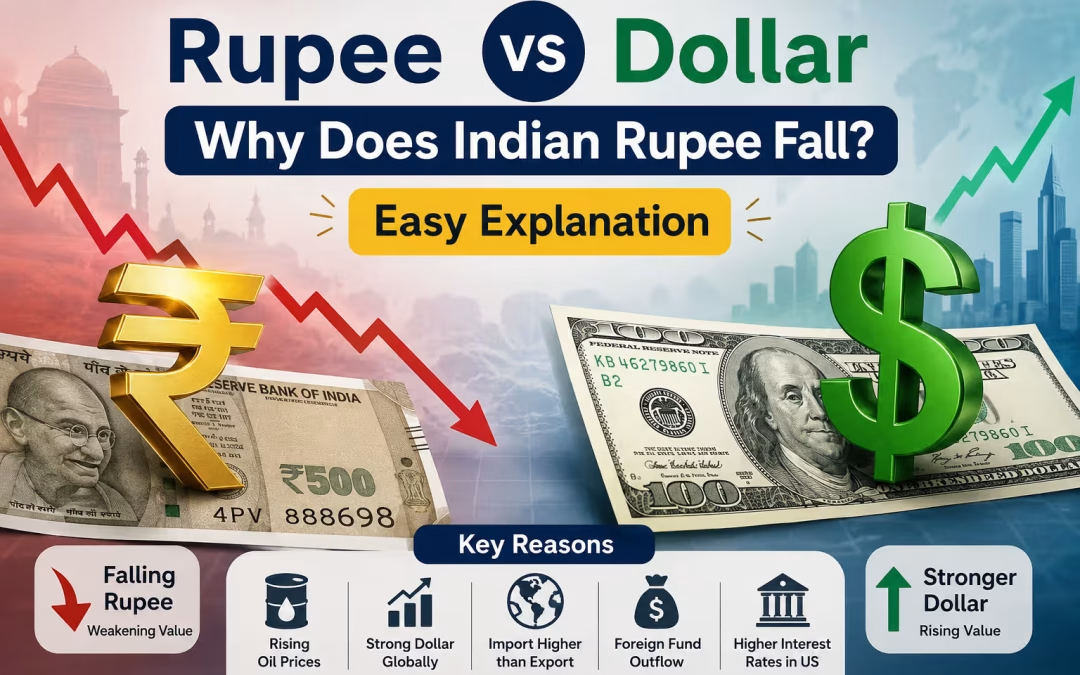
Easy Explanation – Even a Class 8 Student Can Understand! Have you ever heard your parents say “petrol is expensive again” or “everything is getting costly”? Many times, this is connected to the Indian Rupee falling against the US Dollar....
May 19, 2026 | Blog, Infrastructure, Economy
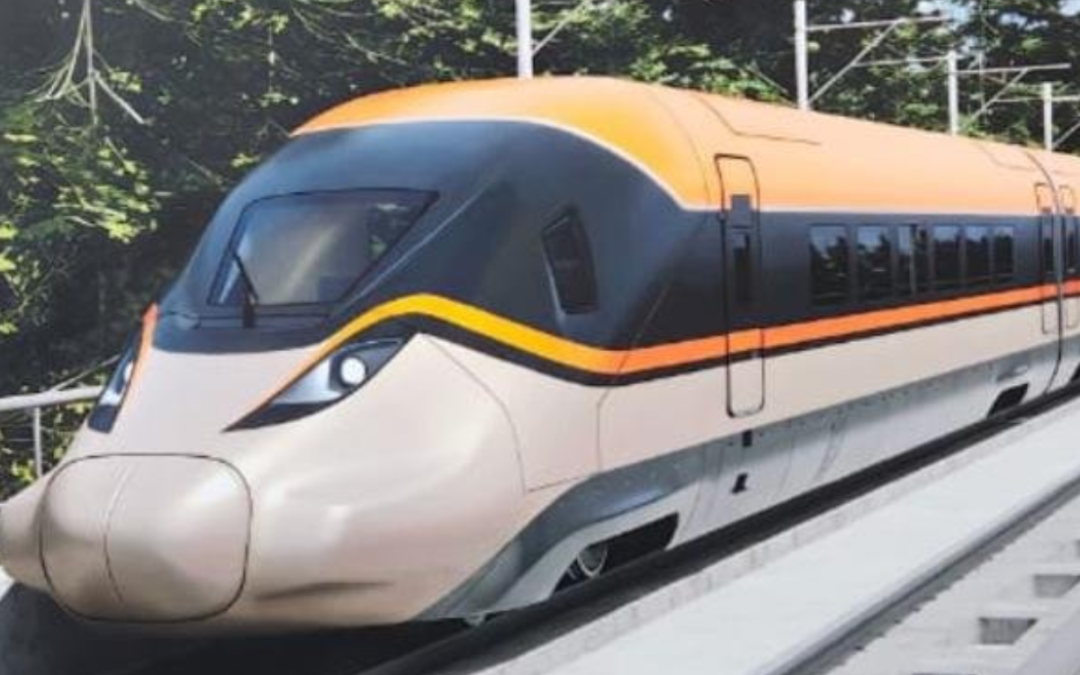
What Happened on May 18, 2026? India showed the world the first picture of its bullet train on May 18, 2026. The picture was put up at Gate Number 4 of the Ministry of Railways in New Delhi. The train looks sleek, white, and orange, just like the fast trains in Japan....
May 8, 2026 | Blog, Election Results
India held big state elections in 2026. Five states and one union territory voted in April. Results came on May 4 and changed many governments. These elections happened in West Bengal, Tamil Nadu, Kerala, Assam and Puducherry. People chose new leaders for next five...